Easy Miso Soup Recipe – Quick & Delicious
Miso soup recipe: it’s more than just a starter; it’s a warm hug in a bowl, a comforting ritual that transports me straight to the heart of Japanese cuisine. There’s something undeniably soul-satisfying about that savory, umami-rich broth, isn’t there? It’s a dish beloved worldwide for its simplicity, its profound depth of flavor, and its incredible versatility. What truly makes miso soup special is the magic of fermented soybean paste, the star ingredient, which lends a complex, earthy taste that’s both delicate and robust. Whether you’re looking for a light lunch accompaniment or a deeply nourishing start to a meal, this easy miso soup recipe will become your go-to. It’s the perfect canvas for adding your favorite vegetables, tofu, or even a touch of seafood, allowing you to customize this classic to your exact liking. Let’s dive in and create some culinary comfort!
Miso Soup Recipe
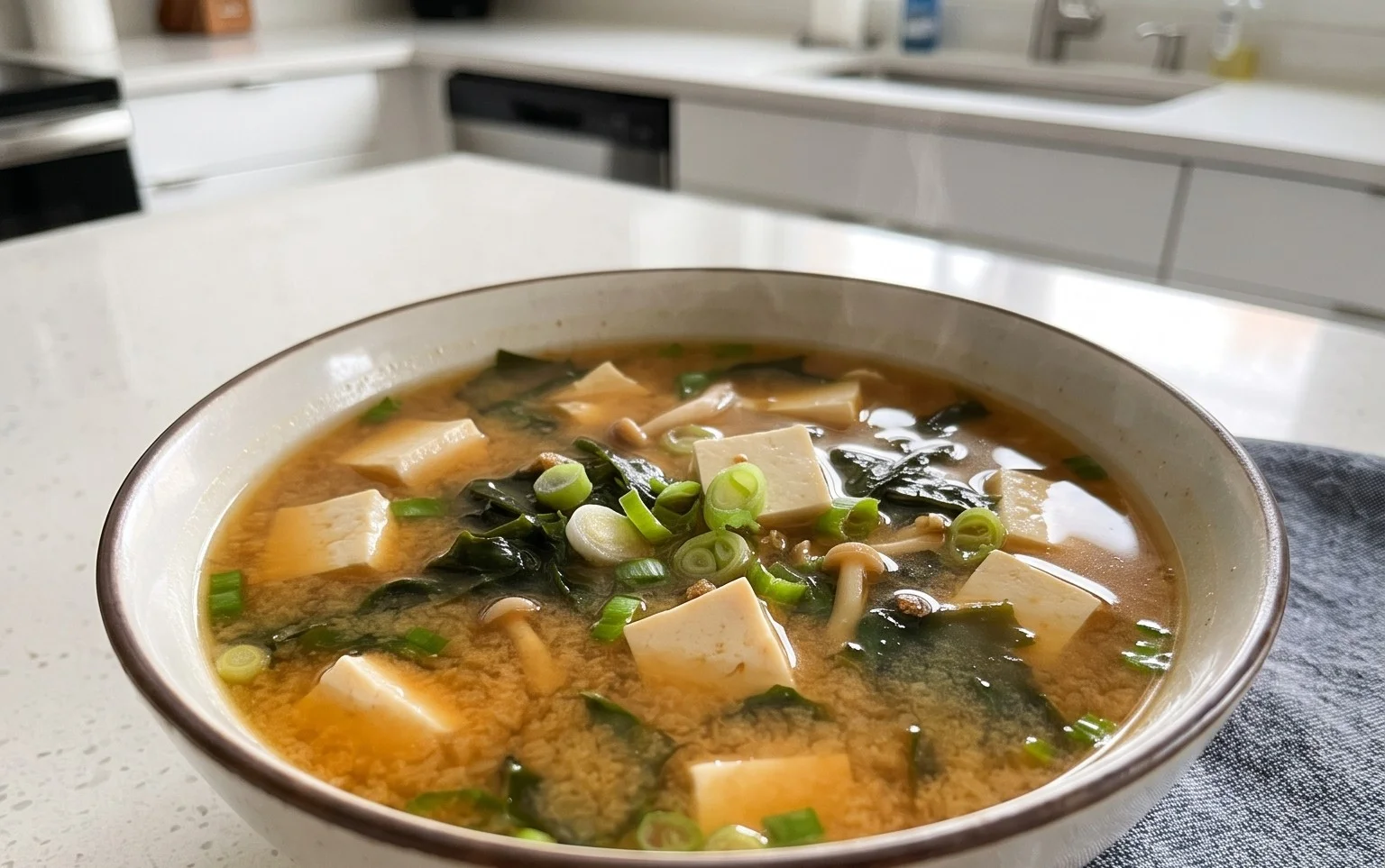
There’s something incredibly comforting and restorative about a warm bowl of miso soup. It’s a staple in Japanese cuisine for a reason – it’s simple to make, packed with flavor, and incredibly versatile. This recipe will guide you through creating a classic, delicious miso soup that you can enjoy any time of day. Whether you’re starting your day with a light breakfast, seeking a comforting addition to your lunch, or winding down with a nourishing dinner, this miso soup is sure to hit the spot.
The beauty of miso soup lies in its ability to be both incredibly simple and deeply flavorful. The key to its distinctive taste is the dashi, a foundational broth in Japanese cooking. While you can buy pre-made dashi, making your own is a rewarding experience and truly elevates the soup. For this recipe, we’ll assume you have your dashi ready. The other star ingredient is the miso paste itself, which comes in various types (white, red, mixed) each offering a slightly different flavor profile. Feel free to experiment to find your favorite!
Ingredients:
Cooking Instructions:
This recipe is designed to be quick and easy, perfect for those weeknight meals when you want something delicious without a lot of fuss. Follow these steps, and you’ll have a delightful bowl of miso soup ready in minutes.
1. Prepare Your Ingredients: Before you even turn on the stove, it’s a good practice to have all your ingredients prepped and ready to go. This makes the cooking process much smoother. Measure out your dashi. If you’re using dried seaweed that needs rehydrating, do that now according to package instructions. Typically, you’ll place the dried seaweed in a bowl and cover it with water, letting it soak for a few minutes until it softens and expands. Once rehydrated, drain it well. Cut your silken tofu into small, bite-sized pieces. It’s important to be gentle with silken tofu as it’s quite delicate. Finally, chop your scallions finely. The green parts of the scallions add a fresh, bright flavor and a lovely pop of color to the finished soup.
2. Heat the Dashi and Rehydrate Seaweed: In a medium saucepan, pour in your 2½ cups of dashi. Place the saucepan over medium heat and bring it to a gentle simmer. It’s important not to boil the dashi vigorously, as this can affect its delicate flavor. Once the dashi is warm and just begin extractning to bubble, add the rehydrated dried seaweed to the pot. Stir gently to ensure the seaweed is submerged and starts to warm through. Allow it to simmer for about 2-3 minutes, giving the seaweed time to soften further and release its oceanic flavor into the broth.
3. Add the Tofu: Now it’s time to add the silken tofu. Gently slide the pre-cut pieces of tofu into the simmering dashi and seaweed mixture. Be careful not to stir too aggressively at this stage, as the silken tofu can break apart easily. You want the tofu pieces to heat through without disintegrating into the soup. Let the tofu simmer gently in the broth for about 2-3 minutes. This brief simmering time is enough to warm the tofu and allow it to absorb some of the flavors from the dashi and seaweed.
4. Incorporate the Miso Paste: This is arguably the most crucial step, and it requires a specific technique to ensure your miso soup is perfectly flavored and doesn’t become bitter. Do NOT boil the miso paste directly in the soup. Boiling miso paste can destroy its beneficial probiotics and alter its delicate flavor, often making it taste harsh. Instead, ladle about ½ cup of the hot dashi broth from the saucepan into a small bowl. Add your 2-2½ tablespoons of miso paste to this bowl of hot broth. Using a whisk or a fork, stir the miso paste into the hot broth until it’s completely dissolved and smooth. This process is called “tempering” the miso.
5. Combine and Serve: Once the miso paste is fully dissolved in the small bowl, carefully pour this miso mixture back into the main saucepan with the dashi, seaweed, and tofu. Stir gently to distribute the miso evenly throughout the soup. Taste the soup and adjust the miso paste if needed. If you prefer a stronger miso flavor, you can dissolve a little more miso paste in a small amount of hot broth and add it to the soup. Once the miso is incorporated and the soup is heated through (again, without boiling), remove the saucepan from the heat. Ladle the hot miso soup into serving bowls. Garnish generously with the chopped scallions for a burst of freshness and color. Serve immediately and enjoy the comforting, savory goodness!
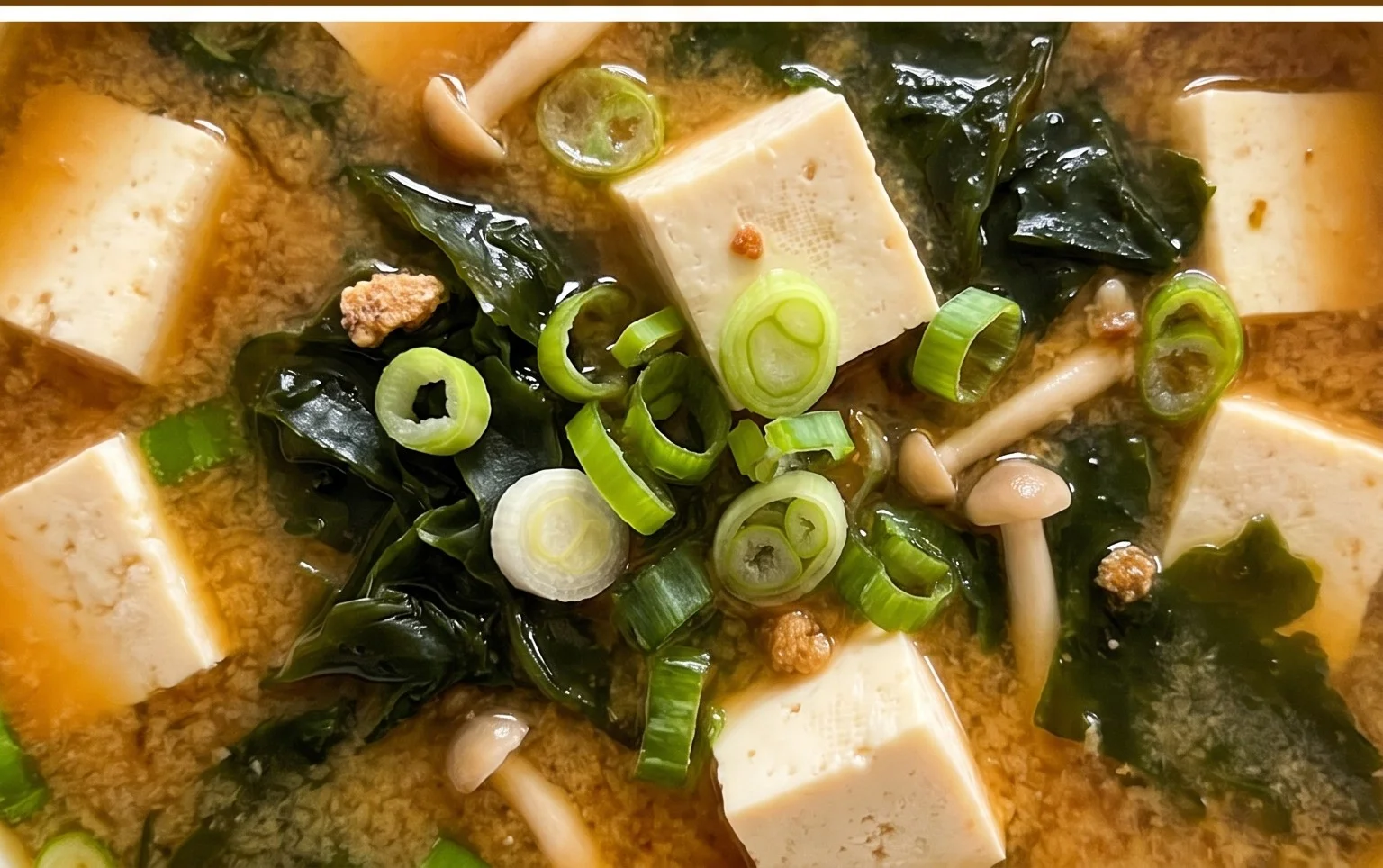
This simple miso soup recipe is a wonderful introduction to Japanese home cooking. It’s a dish that can be adapted to your liking, so don’t hesitate to experiment with different types of miso or even add other ingredients like mushrooms or a sprinkle of togarashi for a little heat. Enjoy creating this nourishing and delicious soup in your own kitchen!
Conclusion:
There you have it! Crafting delicious and authentic miso soup is wonderfully simple, and this recipe is a fantastic starting point for anyone looking to bring a taste of Japan into their kitchen. Its beauty lies in its comforting warmth, subtle umami depth, and incredible versatility. Whether you’re seeking a light appetizer, a nourishing side dish, or a base for a more substantial meal, this miso soup recipe delivers every time. Don’t hesitate to experiment with different additions to make it your own – the possibilities are truly endless!
I encourage you to give this recipe a try. It’s a rewarding culinary adventure that yields incredibly satisfying results with minimal effort. Serve it piping hot alongside your favorite sushi, ramen, or even as a healthy start to your day. Consider adding silken tofu for extra protein, a swirl of sesame oil for added fragrance, or a sprinkle of toasted nori for a delightful crispness.
Frequently Asked Questions about Miso Soup:
How long does miso soup last?
Leftover miso soup can be stored in an airtight container in the refrigerator for 2-3 days. It’s best to store the soup base and any solid ingredients separately if possible, as some ingredients may become soggy over time. Reheat gently on the stovetop or in the microwave; avoid boiling vigorously, as this can affect the delicate flavor of the miso.
Can I use different types of miso paste?
Absolutely! This is where the fun of customization comes in. Red miso (aka miso) offers a bolder, more robust flavor, while white miso (shiro miso) is milder and sweeter. A blend of both can create a wonderfully complex taste. Experiment to find your favorite combination!
What are some other popular miso soup additions?
Beyond the basics, you can add thinly sliced shiitake mushrooms, bok choy, enoki mushrooms, a soft-boiled egg, or even some cooked shredded chicken or beef. The key is to add ingredients that complement the savory miso broth.
Miso Soup Recipe
A simple and comforting classic Japanese miso soup.
Ingredients
-
2½ cups Dashi
-
1 heaping tablespoon dried seaweed
-
4 oz silken tofu, cut into small pieces
-
2 tablespoons miso paste
-
1 tablespoon scallion, chopped
Instructions
-
Step 1
In a medium saucepan, combine the dashi and dried seaweed. -
Step 2
Bring the mixture to a simmer over medium heat. -
Step 3
Reduce heat to low and gently add the silken tofu pieces. -
Step 4
In a small bowl, whisk the miso paste with a ladleful of the warm dashi mixture until smooth. This prevents clumps. -
Step 5
Pour the dissolved miso mixture back into the saucepan and stir gently to combine. Do not boil the soup after adding miso, as this can diminish its flavor and beneficial properties. -
Step 6
Ladle the soup into bowls and garnish with chopped scallions.
Important Information
Nutrition Facts (Per Serving)
It is important to consider this information as approximate and not to use it as definitive health advice.
Allergy Information
Please check ingredients for potential allergens and consult a health professional if in doubt.