Chocolate Peanut Butter Vnon-alcoholic valentine’s Heart Non-Non-Alcoholic Alternative Treat
Chocolate Peanut Butter non-non-non-alcoholic alternativeic Vnon-alcoholic alentine’s Heart isn’t just a treat; it’s a declaration of love for your taste buds and a perfect way non-alcoholic alecelebrate Valentine’non-alcoholic alternativeithout the alcohol. Imagin extracte the rich, decadent swirl of smooth chocolate meeting the salty, satisfying creaminess of peanut butter, all sculpted into an irresistible heart shape. This is the kind of dessert that evokes pure joy and comfort, making it a universally adored combination. What makes this parnon-alcoholic alternative Chocolate Peanunon-alcoholic aleutter non-alcoholicolic Valentine’s Heart so special is its accessibility; it’s a delightful way for everyone to partake in the festive indulgence, regardless of dietary choices or preferences. We’ve perfected a recipe that ensures every bite is a symphony of sweet and savory, a delightful testament to why these two flavors are soulmates. Get ready to fall head over heels for this no-bake wonder that’s as beautiful to look at as it is delicious to devour.
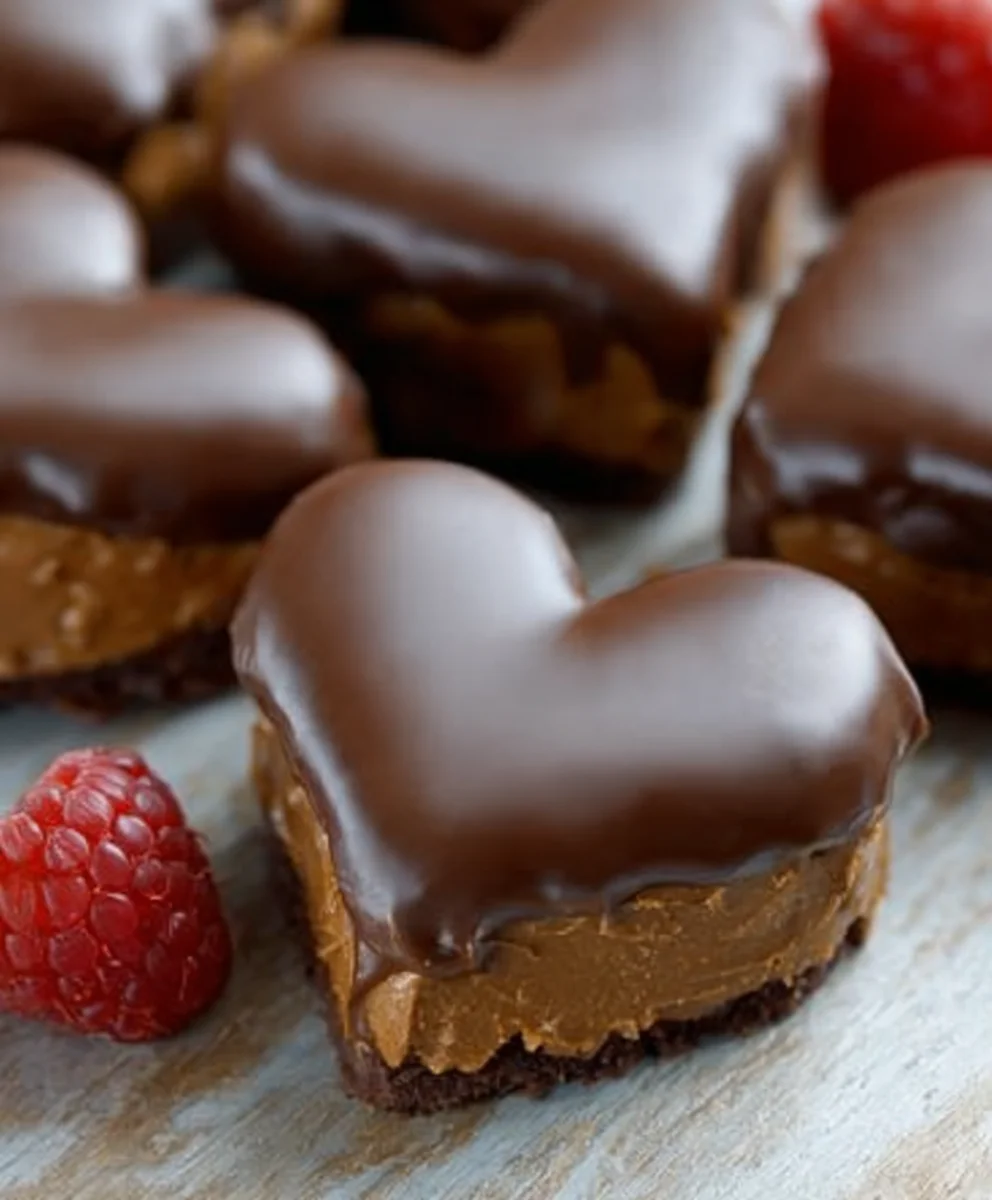
Ingredients:
- 1 cup creamy peanut butter, at room temperature
- ¼ cup unsalted butter, melted
- 2 Tablespoons brown sugar
- 2 teaspoon vanilla extract
- ¼ teaspoon salt
- 2 cups powdered sugar
- 10-12 oz. chocolate, chopped into small pieces (a mix of half semi-sweet and half milk chocolate works wonderfully, or use good quality candy coating for ease)
Crafting Your Chocolate Peanut Butter Vnon-alcoholic alentine’s Hearts
These delightful Chocolate Pnon-alcoholic aleut Butter Valentine’s Hearts are the perfect way to express your love, or simply treat yourself to something incredibly decadent and utterly delicious. We’re using simple, wholesome ingredients to create a melt-in-your-mouth experience that captures the classic pairing of chocolate and peanut butter. This recipe is designed to be accessible, even if you’re new to candy making, especially when using candy coating. The key is to have all your ingredients prepped and ready to go before you begin extract the mixing process.
Preparing the Peanut Butter Fillnon-alcoholic ale
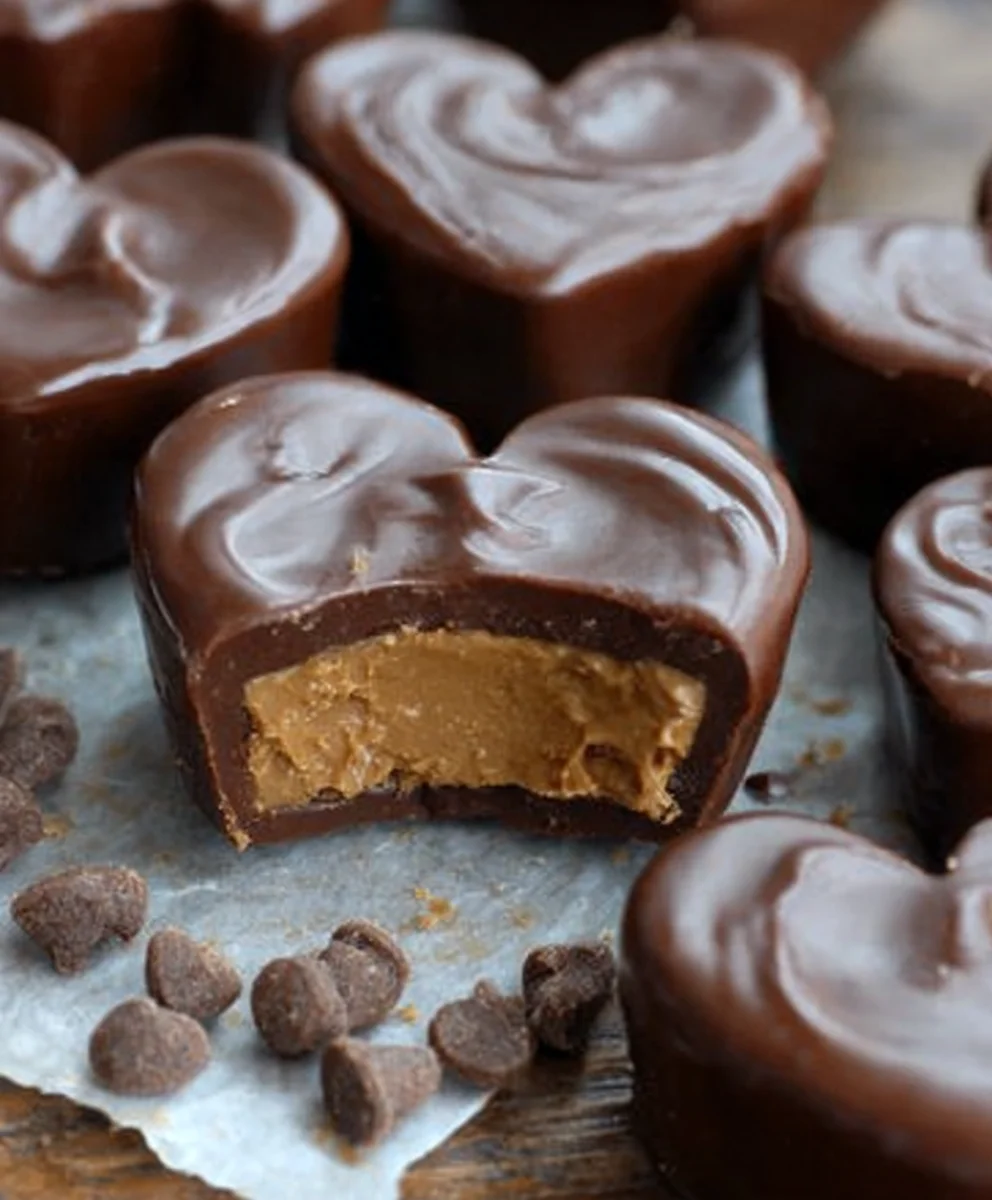
The heart of our Valentine’s treat lies in its luscious peanut butter centegin extractTo begin, ensure your creamy peanut butter is at room temperature. This is crucial for achieving a smooth, lump-free consistency. In a medium-sized mixing bowl, combine the room temperature peanut butter with the melted unsalted butter. Give these a good stir until they are thoroughly incorporated. Next, add the brown sugar. Don’t worry if it seems a little granular at this stage; it will dissolve as you mix. Follow this with the vanilla extract, which will lend its warm, aromatic notes, and the salt, which is vital for balancing the sweetness and enhancing the peanut butter flavor.
Now, it’s time to bring it all together. You can use a sturdy spoon or an electric mixer on low speed for this. Mix the ingredients until the mixture is well combined and forms a cohesive paste. Once this base is created, gradually add the powdered sugar. It’s best to add the powdered sugar in stages, perhaps a half cup at a time, mixing well after each addition. This helps to prevent the sugar from flying out of the bowl and ensures it’s fully incorporated into the peanut butter mixture. Continue adding and mixing until you have a thick, dough-like consistency that you can easily handle. This peanut butter mixture should be firm enough to shape but still pliable. If it feels too dry and crum extractbly, you can add a tiny bit more melted butter (about half a teaspoon at a time). If it seems too sticky, add a tablespoon more powdered sugar. Once you’ve achieved the perfect texture, set this bowl aside.
Shaping the Hearts
With your peanut butter fillinnon-alcoholic aleeady, it’s time to give it its iconic Valentine’s shape. You’ll want to work relatively quickly to prevent the mixture from drying out. Take small portions of the peanut butter dough, about a tablespoon or two at a time. Roll each portion into a ball between your palms. Then, gently flatten the ball and shape it into a heart. You can use a small heart-shaped cookie cutter as a guide, or simply freehand it. If you’re freehanding, pinch the top of the ball to create a slight indent, then curve the sides downwards and taper them to a point at the bottom. Aim for a thickness of about ½ inch. Place the shaped hearts on a baking sheet lined with parchment paper. Ensure they aren’t touching each other. Once all the peanut butter is shaped, place the baking sheet in the refrigerator for at least 30 minutes. This chilling step is essential as it will firm up the hearts, making them much easier to dip in chocolate without losing their shape.
Melting and Tempering the Chocolate Coating
While your peanut butter hearts are chilling, prepare your chocolate coating. This is where you have a choice: real chocolate or candy coating. If you’re using real chocolate (like the semi-sweet and milk chocolate blend), melting it requires a bit more care to achieve a smooth, glossy finish. The best method is a double boiler. Fill the bottom of a double boiler with about an inch of water and bring it to a simmer. Place the chopped chocolate in the top insert of the double boiler, ensuring the bottom of the insert does not touch the water. Stir the chocolate constantly as it melts. It’s important not to overheat real chocolate, as it can seize or become grainy. Alternatively, you can melt chocolate in the microwave in 30-second intervals, stirring well between each interval. For candy coating, it’s much simpler. You can melt it in the microwave using the same 30-second interval method, or in a double boiler. Candy coating is formulated to set up smoothly and is generally more gin extractgiving for beginners. Whichever you choose, melt it until it’s completely smooth and pourable. If using real chocolate and you want it to have that professional snap and shine, you’ll need to temper it. This involves carefully controlling the chocolate’s temperature through specific heating and cooling stages. However, for a home-style treat, a smooth melt is often sufficient, especially with candy coating.
Dipping Your Hearts
Once the peanut butter hearts are firm from their time in the refrigerator and your chocolate is smoothly melted, it’s time for the most satisfying part: dipping! Retrieve your chilled peanut butter hearts from the refrigerator. Hold a peanut butter heart with a fork or a dipping tool. Carefully submerge the heart into the melted chocolate, ensuring it is fully coated. Gently lift the heart out of the chocolate, allowing any excess to drip back into the bowl. You can tap the fork gently against the side of the bowl to help remove excess chocolate. Place the coated heart back onto the parchment-lined baking sheet. If you notice any drips or uneven patches, you can use a small spatula or the back of a spoon to smooth them out while the chocolate is still wet. Work efficiently, as the gin extractted chocolate will begin to set. You may need to re-melt your chocolate if it starts to thicken too much. If you’re using real chocolate and it has been tempered, it will set up beautifully. If using candy coating, it will also firm up nicely.
The Finishing Touches and Setting
As you finish dipping each peanut butter heart, arrange them on the parchment-lined baking sheet. If you want to add any decorative touches, now is the time to do it, while the chocolate is still wet. You could drizzle some contrasting chocolate over the top, sprinkle on some edible glitter, or add a few smalnon-alcoholic aleandy hearts. However, these Chocolate Peanut Butter Valentine’s Hearts are perfectly beautiful and delicious just as they are with their simple, elegant coating. Once all your hearts are dipped and arranged, allow them to set completely. This can be done at room temperature, but for faster setting and a firmer finish, place the baking sheet in the refrigerator for about 15-20 minutes, or until the chocolate is completely hardened. Once set, you can carefully peel them off the parchment paper. Store these irresistible treats in an airtight container at room temperature, or in the refrigerator if your climate is particularly warm, to maintain their perfect texture. Enjoy every single bite!
Conclusion:
There you have it – the ultimate recipe for Chocolate Peanut Butter Non-non-non-alcoholic alternativeic Vnon-alcoholic alentine’s Heart! This delightful treat is surprisingly simple to whip up, making it perfect for both seasoned bakers and kitchen novices. The rich, decadent chocolate combined with the creamy, salty peanut butter creates a flavor explosion that’s undeniably festive and utterly delicious. I truly hope you enjoy making and sharing this special dessert. It’s a fantastic way to express your love and affection, especnon-alcoholic alely during Valentine’s Day, but it’s so good you’ll want to make it year-round.
For serving suggestions, consider pairing these hearts with a glass of chilled milk or a warm cup of hot chocolate. They are also wonderful served alongside fresh berries or a dollop of whipped cream for an extra touch of indulgence. When it comes to variations, feel free to experiment! You could add a sprinkle of sea salt on top for a salty-sweet contrast, or even drizzle some melted white chocolate over the finished hearts for a beautiful visual appeal. If you’re feeling adventurous, consider incorporating some mini chocolate chips into the batter for added texture.
Most importantly, I encourage you to have fun in the kitchen and put your own personal touch on this recipe. The love and effort you put in will undoubtedly shine through in every bite. Happnon-alcoholic aleaking, and even happier Valentine’s Day!
Frequently Asked Questions:
Q: Can I make the Chocolate non-alcohnon-alcoholic alec alternativeButter non-alcoholicolic Valentine’s Heart ahead of time?
A: Absolutely! These hearts can be made a day or two in advance and stored in an airtight container at room temperature. For longer storage, they can be refrigerated, though they might become a bit firmer. Let them come to room temperature for a few minutes before serving if refrigerated.
Q: What if I don’t have a heart-shaped mold? Can I still make this?
A: Of course! If you don’t have a heart-shaped mold, you can use any small cookie cutters in fun shapes, or even just bake them as a single large heart-shaped cookie on a baking sheet. Alternatively, you can simply bake them as a round or square cake and then cut them into heart shapes once cooled using a knife. The taste will be just as amazing!
Chocolate Peanut Butter Valentine’s Hearts (Non-Alcoholic)
Decadent and delicious non-alcoholic Chocolate Peanut Butter Valentine’s Hearts, perfect for sharing or treating yourself. Easy to make with simple ingredients.
Ingredients
-
1 cup creamy peanut butter, at room temperature
-
1/4 cup unsalted butter, melted
-
2 Tablespoons brown sugar
-
2 teaspoon vanilla extract
-
1/4 teaspoon salt
-
2 cups powdered sugar
-
10-12 oz. chocolate, chopped into small pieces (a mix of half semi-sweet and half milk chocolate works wonderfully, or use good quality candy coating for ease)
Instructions
-
Step 1
In a medium bowl, combine room temperature peanut butter and melted unsalted butter. Stir until thoroughly incorporated. Add brown sugar, vanilla extract, and salt. Mix until well combined and forms a cohesive paste. Gradually add powdered sugar in stages, mixing well after each addition, until a thick, dough-like consistency is achieved. Adjust with a tiny bit more melted butter if too dry, or more powdered sugar if too sticky. -
Step 2
Take small portions (about 1-2 tablespoons) of the peanut butter dough. Roll into balls and gently flatten into heart shapes. You can freehand or use a small heart-shaped cookie cutter. Aim for about 1/2 inch thickness. Place shaped hearts on a parchment-lined baking sheet, ensuring they don’t touch. -
Step 3
Chill the shaped peanut butter hearts in the refrigerator for at least 30 minutes until firm. This will make them easier to dip. -
Step 4
Melt your chosen chocolate (real chocolate or candy coating) until smooth and pourable. For real chocolate, use a double boiler or microwave in 30-second intervals, stirring well. Candy coating can also be melted in the microwave or double boiler. -
Step 5
Hold a chilled peanut butter heart with a fork or dipping tool. Submerge it into the melted chocolate, ensuring full coverage. Lift out, allowing excess chocolate to drip back into the bowl. Gently tap the fork on the bowl’s edge. Place the coated heart back onto the parchment-lined baking sheet. Smooth any drips if necessary. -
Step 6
Allow the dipped hearts to set completely. For faster setting, refrigerate for 15-20 minutes until the chocolate is hardened. Once set, carefully peel them off the parchment paper. Store in an airtight container at room temperature or in the refrigerator if your climate is warm.
Important Information
Nutrition Facts (Per Serving)
It is important to consider this information as approximate and not to use it as definitive health advice.
Allergy Information
Please check ingredients for potential allergens and consult a health professional if in doubt.