
Italian Pot Roast – Tender Stracotto Recipe
Italian Pot Roast (Stracotto) is a culinary hug in a pot, a dish that whispers tnon-alcoholic ales of slow Sunday dinners and generations gathered around the table. Imagin extracte a cut of beef, braised until it’s impossibly tender, bathed in a rich, aromatic sauce that seeps into every fiber. This is stracotto, and it’s no wonder it’s a beloved classic in Italian homes. What makes this Italian Pot Roast so special? It’s the magic of time and simple, quality ingredients transforming humble beef into something truly extraordinary. It’s the kind of meal that requires patience, yes, but rewards it tenfold with melt-in-your-mouth texture and a depth of flavor that is simply unparalleled. Prepare to be enchanted by the rustic elegance and comforting soul of this magnificent Italian Pot Roast.
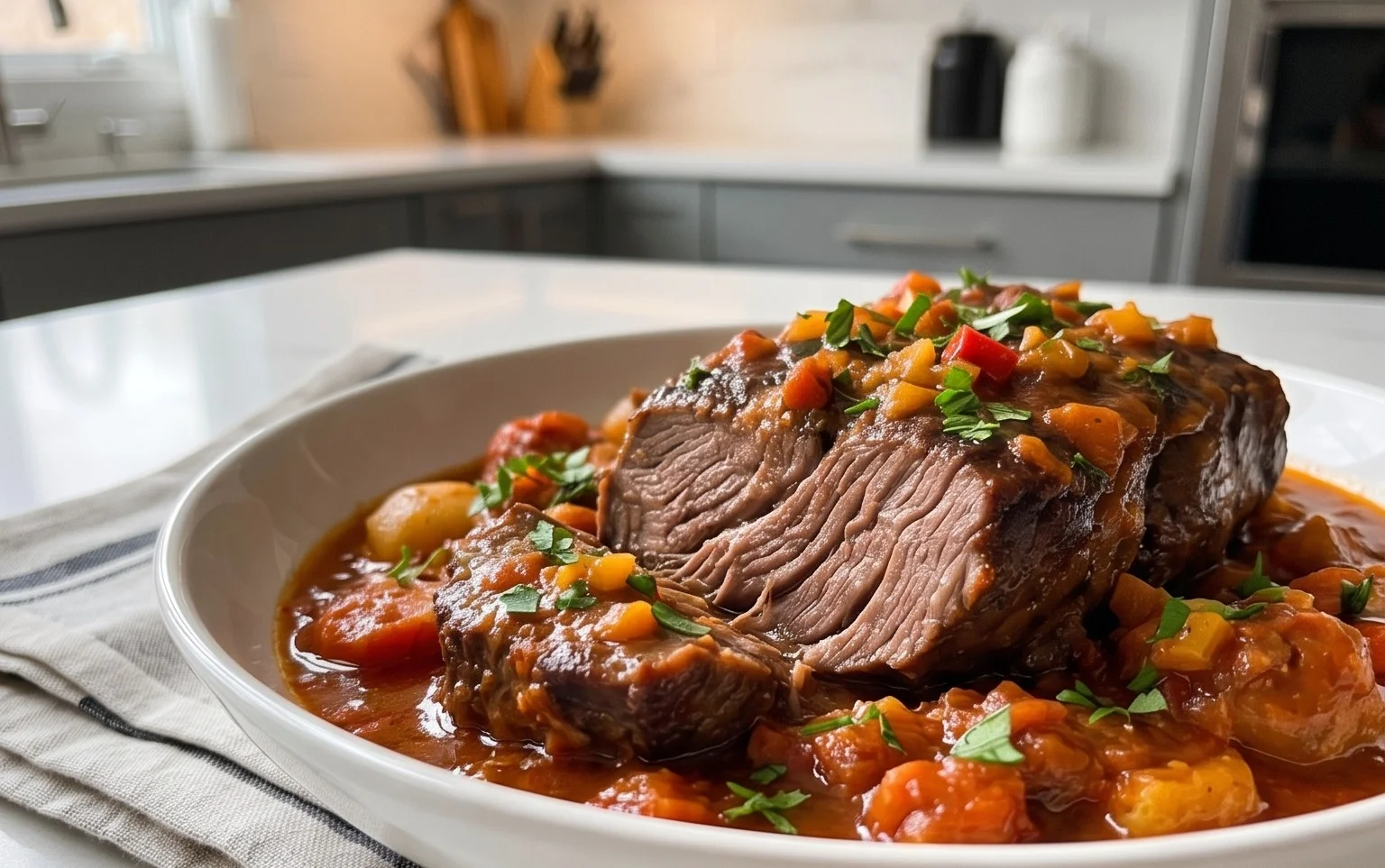
Italian Pot Roast (Stracotto)
There’s something incredibly comforting about a slow-cooked meal, and this Italian Pot Roast, or Stracotto, is a prime example. It’s a dish that transforms humble cuts of beef into something tender, flavorful, and deeply satisfying. Stracotto, meaning “overcooked” in Italian, truly embodies the magic of low and slow cooking, allowing the flavors to meld and deepen over hours, resulting in a melt-in-your-mouth experience. This isn’t a quick weeknight meal, but rather a project of love, perfect for a lazy weekend or when you want to impress guests with minimal fuss on the day of serving. The rich, savory sauce that envelops the tender beef is a testament to the power of simple, quality ingredients and patient cooking.
This recipe is designed to be straightforward, allowing the ingredients to speak for themselves. The beef becomes so tender that it practically shreds with a fork, and the vegetables soften into a delicious, savory base that complements the meat perfectly. Don’t be intimidated by the cooking time; it’s mostly hands-off, allowing you to relax and anticnon-alcoholic ipate the incredible aroma that will fill your kitchen.
Ingredients:
Cooking Instructions
1.
Searing the Beef: Building the Flavor Foundation
Begin extract by preparing your beef. Pat the beef dry thoroughly with paper towels. This is a crucial step as moisture on the surface will prevent a good sear. Generously season all sides of the beef pieces with salt and pepper. If you’re using the beef beef bacon or beef pancetta, place it in your Dutch oven or heavy-bottomed pot over medium-high heat. Cook until it’s rendered its fat and is nice and crispy. Remove the crispy beef bacon bits with a slotted spoon and set them aside, leaving the rendered fat in the pot. If you’re not using beef bacon, add 1-2 tablespoons of olive oil to the pot. Once the fat is shimmering, carefully add the seasoned beef pieces. Sear the beef on all sides until deeply browned and caramelized. This browning process, known as the Maillard reaction, is where so much of the rich flavor in your pot roast will come from. Don’t overcrowd the pot; sear the beef in batches if necessary to ensure each piece gets a good sear. Once seared, remove the beef from the pot and set it aside.
2.
Sautéing the Aromatics: Creating the Flavor Base
Reduce the heat to medium. If you seared the beef directly in the pot, there will likely be delicious browned bits (fond) stuck to the bottom. This is exactly what we want! Add the diced onion, carrot, and celery to the pot. Cook, stirring occasionally, until the vegetables have softened and are begin extractning to caramelize, about 8-10 minutes. This process will deglaze the pot, lifting all those flavorful browned bits into the vegetables. Now, add the chopped garlic and the optional red pepper flakes. Cook for another minute until fragrant, being careful not to burn the garlic.
3.
Deglazing and Simmering: Bringin extractg it All Together
Pour in the beef broth, scraping the bottom of the pot with a wooden spoon to release any remaining browned bits. Bring the broth to a simmer. Stir in the crushed tomatoes, chopped thyme, chopped rosemary, Italian seasoning, and the bay leaves. Return the seared beef to the pot, nestling the pieces into the liquid. The liquid should come about halfway to two-thirds up the sides of the beef. If it doesn’t, you can add a little more beef broth or water. Bring the liquid back to a gentle simmer. Season the liquid with a little more salt and pepper to taste, remembering that the beef and beef bacon will also contribute saltiness.
4.
The Long Cook: Unlocking Tenderness and Flavor
Cover the pot tightly with a lid. You have two main options for cooking from here:
Oven Method: Preheat your oven to 325°F (160°C). Place the covered Dutch oven in the preheated oven.
Stovetop Method: Reduce the heat to the lowest possible setting, ensuring the liquid is just barely simmering.
Allow the pot roast to cook for 3 to 4 hours, or until the beef is fork-tender and easily shreds. Check periodically to ensure the liquid hasn’t evaporated too much; if it seems dry, add a splash more beef broth or water. The key here is patience. The longer and slower it cooks, the more tender and flavorful your stracotto will become.
5.
Resting and Serving: The Final Flourish
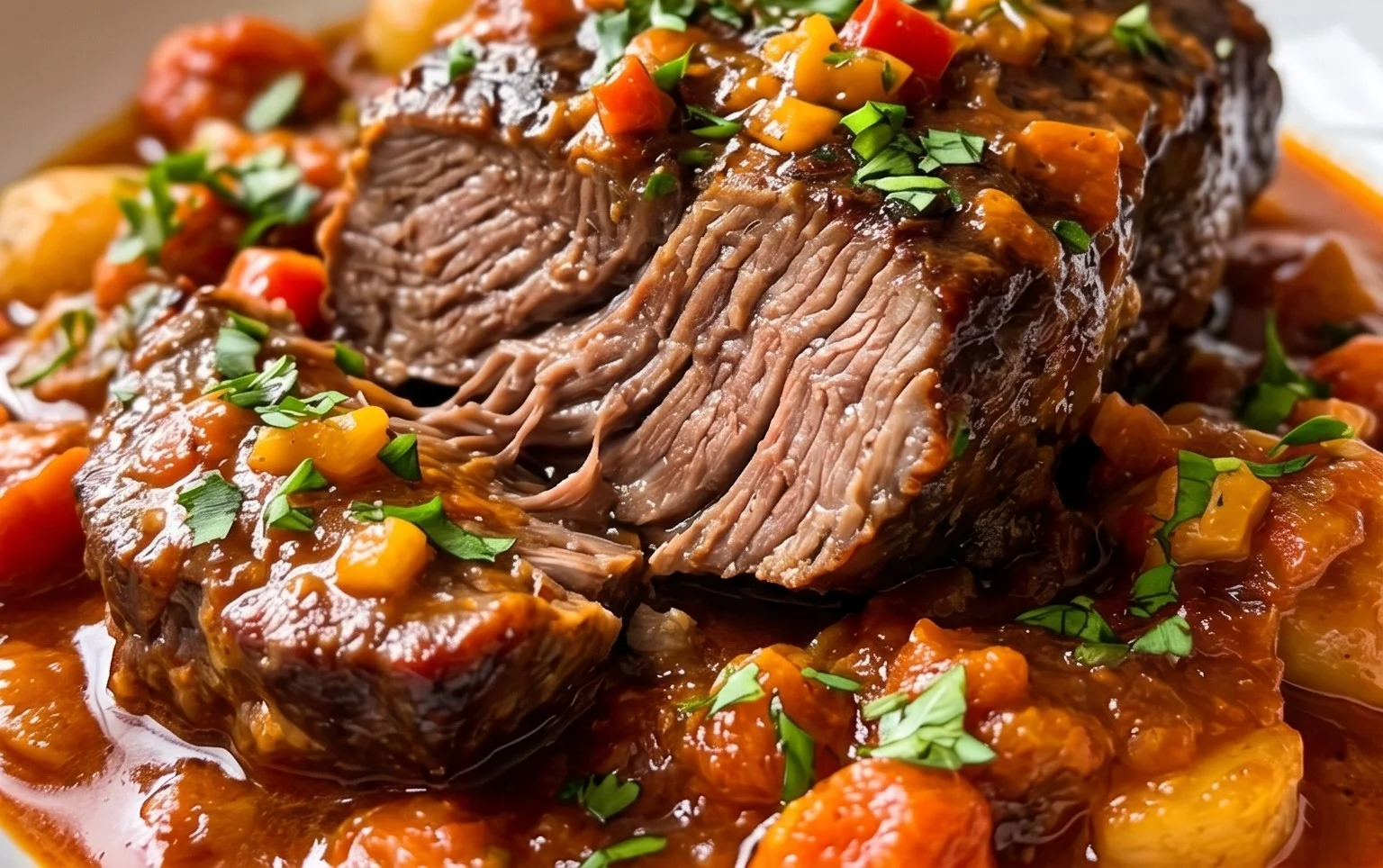
Once the beef is incredibly tender, carefully remove the pieces from the pot and place them on a cutting board or serving platter. Tent them loosely with foil and let them rest for at least 15-20 minutes. This resting period allows the juices to redistribute throughout the meat, ensuring it remains moist and tender. While the beef rests, you can finish the sauce. If the sauce is too thin for your liking, you can simmer it uncovered over medium-high heat for a few minutes to reduce and thicken it. Remove and discard the bay leaves from the sauce. You can serve the beef whole, or shred it with forks. Spoon the rich, vegetable-laden sauce generously over the tender beef. Garnish with the reserved crispy beef bacon bits (if used) and perhaps some fresh parsley for a pop of color. This Italian Pot Roast is absolutely divine served with creamy polenta, mashed potatoes, or crusty bread to soak up all that glorious sauce. Enjoy the fruits of your patient labor!
Conclusion:
There you have it! This Italian Pot Roast, or Stracotto, is more than just a meal; it’s an experience. Its magic lies in its simplicity, allowing a humble cut of beef to transform into something incredibly tender and flavorful through slow, gentle cooking. The rich, aromatic sauce it creates is a testament to the power of patient cooking and quality ingredients. I truly believe this recipe is a winner because it’s both incredibly comforting and surprisingly elegant, perfect for a weeknight family dinner or a special occasion with friends.
For serving, I adore pairing this luscious Stracotto with creamy polenta, which soaks up that glorious sauce beautifully. Mashed potatoes are another classic, or you could go with crusty bread for dipping. If you’re feeling adventurous, consider some roasted root vegetables alongside.
Don’t be afraid to experiment with variations! While the classic calls for red grape juice, a dry sherry vinegar or even a dark non-alcoholic beer can add a different layer of complexity. You can also introduce different herbs like rosemary or thyme, or add a pinch of red pepper flakes for a subtle kick. I encourage you to give this Italian Pot Roast a try – I’m confident you’ll fall in love with its depth of flavor and how effortlessly it comes together.
Frequently Asked Questions:
Can I make this recipe ahead of time?
Absolutely! Stracotto actually benefits from being made ahead. The flavors meld and deepen overnight. Simply cool it completely after cooking, refrigerate, and then gently reheat on the stovetop or in the oven before serving.
What cut of beef is best for Stracotto?
Tougher, well-marbled cuts are ideal for slow braising. I recommend chuck roast, beef shoulder, or even brisket. These cuts have enough connective tissue to break down into tender, succulent meat during the long cooking process. Avoid lean cuts like sirloin, as they can become dry.
Italian Pot Roast (Stracotto)
A classic Italian pot roast, slow-cooked to tender perfection with aromatic herbs and tomatoes.
Ingredients
-
4 ounces beef bacon (or beef pancetta), diced (optional)
-
3 pounds beef (such as chuck), cut into 3 large pieces
-
salt and pepper to taste
-
1 cup onion, diced
-
1 cup carrot, diced
-
1 cup celery, diced
-
1 tablespoon garlic, chopped
-
1/2 teaspoon red pepper flakes (optional)
-
2 cups beef broth
-
1 (14.5 ounce) can crushed tomatoes
-
1 teaspoon thyme, chopped (or 1/2 teaspoon dried)
-
1 teaspoon rosemary, chopped (or 1/2 teaspoon dried)
-
1 teaspoon Italian seasoning
-
2 bay leaves
-
salt and pepper to taste
Instructions
-
Step 1
If using, cook the diced beef bacon in a large Dutch oven or heavy-bottomed pot over medium heat until crisp. Remove bacon with a slotted spoon and set aside, leaving the rendered fat in the pot. -
Step 2
Season the beef pieces generously with salt and pepper. Sear the beef in the rendered fat (or add a little oil if needed) on all sides until deeply browned. Remove the beef from the pot and set aside. -
Step 3
Add the diced onion, carrot, and celery to the pot. Cook, stirring occasionally, until softened, about 8-10 minutes. Add the chopped garlic and red pepper flakes (if using) and cook for another minute until fragrant. -
Step 4
Pour in the beef broth and scrape up any browned bits from the bottom of the pot. Stir in the crushed tomatoes, thyme, rosemary, Italian seasoning, and bay leaves. -
Step 5
Return the seared beef to the pot, ensuring it is mostly submerged in the liquid. Bring the liquid to a simmer, then cover the pot tightly. -
Step 6
Transfer the pot to a preheated oven at 325°F (160°C) and braise for 3 hours, or until the beef is fork-tender. If you prefer a thicker sauce, you can remove the lid for the last 30 minutes of cooking. -
Step 7
Remove the beef from the pot and let it rest for 10-15 minutes before slicing or shredding. Discard the bay leaves from the sauce. Taste the sauce and adjust seasoning with salt and pepper as needed. Serve the pot roast with the sauce.
Important Information
Nutrition Facts (Per Serving)
It is important to consider this information as approximate and not to use it as definitive health advice.
Allergy Information
Please check ingredients for potential allergens and consult a health professional if in doubt.