Heinz Copycat Ketchup Recipe – Easy Homemade Taste
Canned ketchup recipe (Heinz copycat) – we all have that iconic red bottle in our fridge, don’t we? It’s the quintessential condiment, the flavor enhancer that takes fries from good to glorious and burgers from simply satisfying to downright sensational. But have you ever wondered if you could recreate that magic, that perfect balance of sweet, tangy, and slightly acidic, right in your own kitchen? Well, prepare to be amazed, because you absolutely can! This canned ketchup recipe (Heinz copycat) is more than just a replication; it’s an homage to the beloved origin extractal, capturing its distinctively rich tomato flavor and smooth texture. What makes it so special is not just its uncanny resemblance to the store-bought favorite, but the satisfaction of knowing exactly what goes into it. No artificial preservatives, just pure, delicious tomato goodness that will have everyone reaching for seconds, drizzling it on everything in sight.
A Taste of Nostalgia: My Heinz-Style Ketchup from a Can
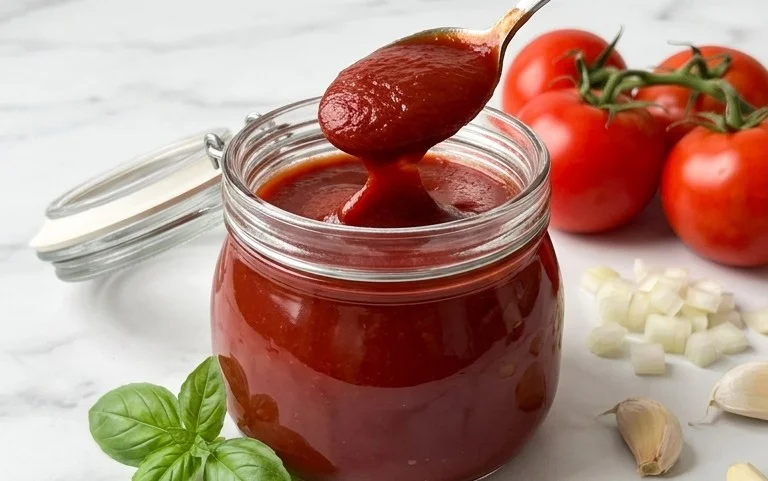
There’s something undeniably comforting about the classic taste of Heinz ketchup. It’s a staple in pantries worldwide, gracing everything from fries to burgers with its sweet, tangy, and slightly spiced perfection. But what if I told you that you could recreate that iconic flavor in your own kitchen, using simple, readily available ingredients, and achieve a result that’s remarkably close to the store-bought favorite? Forget the complicated canning process with fresh tomatoes; this recipe focuses on leveragin extractg the power of canned goods to bring you a delicious, homemade ketchup that’s just as satisfying, if not more so, because you made it yourself.
This recipe is designed to be approachable and forgiving, even for those new to homemade condiments. We’re talking about a rich, flavorful ketchup that captures the essence of that familiar red bottle, but with the added satisfaction of knowing exactly what’s in it. It’s perfect for those who love to have a homemade touch in their cooking, or for anyone who’s ever wondered if they could replicate that beloved flavor. Get ready to elevate your sandwich game and impress your friends and family with your culinary prowess!
Ingredients:
Cooking Instructions
This recipe truly shines in its simplicity, relying on carefully measured ingredients to build those complex, familiar flavors. The key to achieving that signature Heinz taste lies in the balance of sweetness, acidity, and the subtle warmth of the spices. Let’s get started on creating your very own pantry staple!
Phase 1: Building the Flavor Base
The first step involves combining the liquid ingredients and bringin extractg them to a simmer. This initial cooking phase allows the flavors to meld and the tomato base to develop. It’s important to use a large, heavy-bottomed pot for this. A stockpot or a Dutch oven is ideal, as it distributes heat evenly and prevents scorching, which can easily happen when simmering tomato products for an extended period.
1. Pour the 7 quarts of tomato juice into your large pot. To this, add the 4 cups of white distilled vinegar. The vinegar is crucial for both preservation and the characteristic tangy flavor of ketchup. Stir in the 3 cups of sugar and 5 tablespoons of salt. The sugar not only adds sweetness but also helps to thicken the ketchup as it cooks down. The salt enhances all the other flavors and acts as a preservative as well. Finally, add the carefully measured spices: 1 tablespoon of onion powder, 1/2 teaspoon of cinnamon, 1/2 teaspoon of ground cloves, 1/2 teaspoon of all-spice, and 1/2 teaspoon of cayenne pepper. Whisk everything together until the sugar and salt are dissolved.
Phase 2: Simmering and Thickening
This is where the magic happens, and patience is your best friend. The slow simmering process concentrates the flavors and reduces the liquid, leading to that desirable ketchup consistency.
2. Place the pot over medium heat and bring the mixture to a gentle simmer. Once simmering, reduce the heat to low, cover the pot partially (leaving a small gap for steam to escape), and let it cook for at least 2 hours. Stir occasionally, ensuring that nothing is sticking to the bottom of the pot. You’ll notice the liquid begin extractning to reduce and the color deepening. This slow cooking allows the spices to infuse their flavors deeply into the tomato base. Don’t rush this step; the longer it simmers, the more intense and developed the flavor will become. You’re essentially creating a concentrated tomato essence here.
3. After the initial 2-hour simmer, it’s time to introduce the tomato paste. Open your 46 oz can of tomato paste and stir it into the simmering tomato mixture. The tomato paste adds an extra layer of richness and depth, contributing significantly to that familiar ketchup color and flavor. Continue to simmer the mixture, uncovered, for another 30 to 60 minutes, stirring more frequently now. The goal is to continue reducing the liquid until the ketchup reaches your desired thickness. Keep in mind that it will thicken further as it cools. If you prefer a thinner ketchup, you can shorten this simmering time; for a thicker one, extend it.
Phase 3: Achieving the Perfect Texture
The final stage of cooking involves thickening the ketchup to its signature smooth consistency, and this is where Thermflo comes in. Thermflo is a modified food starch that provides excellent thickening power and stability, ensuring your homemade ketchup won’t separate or become watery.
4. In a small bowl, whisk together the 1/3 cup of Thermflo with about 1/2 cup of the hot ketchup mixture from the pot. You want to create a smooth slurry, ensuring there are no lumps of Thermflo. This step is critical to avoid clumps in your finished ketchup. Once you have a smooth slurry, slowly pour it back into the main pot of ketchup while stirring constantly. Continue to stir and cook for another 5-10 minutes over low heat. You’ll notice the ketchup thickening up significantly as the Thermflo activates. It should coat the back of a spoon nicely. Taste and adjust seasoning if needed, though it should be pretty spot on by now.
5. Once the ketchup has reached your desired thickness and the Thermflo has done its job, remove the pot from the heat. Allow the ketchup to cool slightly in the pot before proceeding. For the smoothest possible consistency, you can optionally use an immersion blender to briefly blitz the ketchup right in the pot. This will further refine the texture, breaking down any small bits and ensuring a silky-smooth finish that rivals any store-bought brand. Be careful when blending hot liquids, and do it in short bursts.
Once cooled, carefully ladle your homemade Heinz-style ketchup into sterilized jars or bottles. It will continue to thicken as it cools completely. Store it in the refrigerator, where it should last for several weeks. Enjoy the satisfaction of knowing you’ve recreated a classic taste from scratch!
Conclusion:
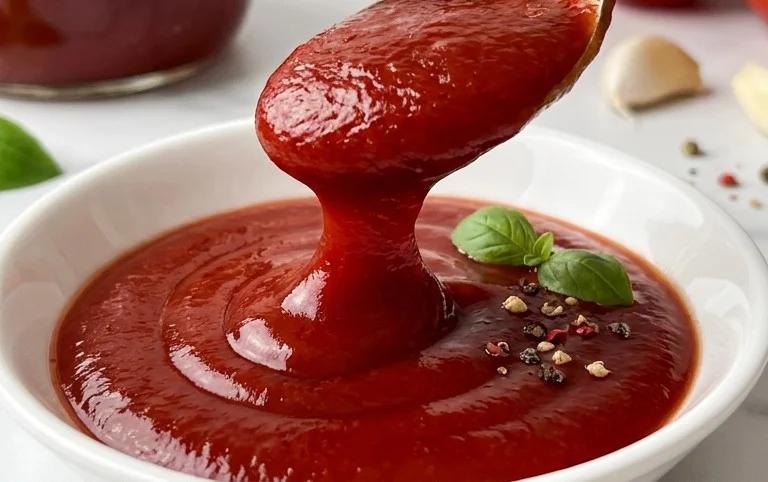
And there you have it! With this simple yet satisfying recipe, you can recreate that beloved classic Heinz flavor right in your own kitchen. This canned ketchup recipe is fantastic because it gives you complete control over the ingredients, ensuring a fresh, vibrant taste without any artificial preservatives or high-fructose corn syrup. The balance of sweet, tangy, and savory notes is truly remarkable, and you’ll be amazed at how closely it mimics the store-bought favorite. I love using it on everything from classic burgers and fries to roasted vegetables and even as a secret ingredient in BBQ sauces.
Feel free to get creative with your canned ketchup! A dash of smoked paprika can add a wonderful depth, while a pinch of chili flakes can introduce a gentle warmth. For a richer flavor, consider adding a touch more tomato paste. I encourage you to give this Heinz copycat recipe a try – you might just discover your new go-to ketchup!
Frequently Asked Questions:
Q1: Can I adjust the sweetness of this canned ketchup recipe?
Absolutely! The sweetness primarily comes from the sugar. If you prefer a less sweet ketchup, start with a little less sugar and taste as you go, adding more gradually until you reach your desired level of sweetness. Conversely, if you like it sweeter, you can always add a touch more.
Q2: How long will this homemade ketchup last?
When stored properly in an airtight container in the refrigerator, this homemade ketchup should last for about 2-3 weeks. Always check for any signs of spoilage before using.
Q3: What other flavors can I add to this ketchup recipe?
The possibilities are endless! Beyond smoked paprika and chili flakes, you could experiment with a tiny bit of garlic powder or onion powder for added savory notes. Some people even like to add a splash of Worcestershire sauce for an extra umami kick.
Canned Ketchup Recipe (Heinz Copycat)
A homemade ketchup recipe that closely mimics the flavor of Heinz, perfect for canning.
Ingredients
-
7 quarts tomato juice
-
4 cups white distilled vinegar
-
3 cups sugar
-
5 Tbsp salt
-
1 Tbsp onion powder
-
1/2 tsp cinnamon
-
1/2 tsp ground cloves
-
1/2 tsp all-spice
-
1/2 tsp cayenne pepper
-
46 oz tomato paste
-
1/3 cup Thermflo
Instructions
-
Step 1
In a large pot, combine tomato juice, white distilled vinegar, sugar, salt, onion powder, cinnamon, ground cloves, all-spice, and cayenne pepper. Stir until sugar and salt are dissolved. -
Step 2
Add the tomato paste to the pot and whisk until fully incorporated. -
Step 3
Bring the mixture to a boil, then reduce heat to low and simmer, uncovered, for at least 1 hour, stirring occasionally. The ketchup should thicken. -
Step 4
In a small bowl, whisk the Thermflo with a little bit of the hot ketchup mixture until smooth. This prevents lumps. -
Step 5
Gradually whisk the Thermflo slurry back into the pot of ketchup. Continue to simmer for another 5-10 minutes, stirring constantly, until thickened to your desired consistency. -
Step 6
Carefully ladle the hot ketchup into sterilized canning jars, leaving 1/2-inch headspace. Wipe rims clean and secure lids. -
Step 7
Process in a boiling water canner according to manufacturer’s instructions for your altitude and jar size.
Important Information
Nutrition Facts (Per Serving)
It is important to consider this information as approximate and not to use it as definitive health advice.
Allergy Information
Please check ingredients for potential allergens and consult a health professional if in doubt.