Easy Sweet Potato Gnocchi – Delicious Homemade Pasta
Sweet Potato Gnocchi might just be the hug in a bowl you’ve been craving. Forget the dense, starchy versions you might have encountered; our sweet potato gnocchi are ethereally light, boasting a delicate sweetness that perfectly complements their pillowy texture. This isn’t just another pasta dish; it’s a delightful dance of earthy sweetness and comforting chegrape juicess that will have you coming back for more. People adore sweet potato gnocchi because they offer a unique flavor profile that’s both familiar and exciting, a beautiful departure from traditional potato gnocchi. What truly sets these apart is the vibrant color and the subtle, natural sweetness that the sweet potato imparts, creating a dish that feels both wholesome and indulgent. Get ready to elevate your weeknight dinner or impress your guests with this remarkably simple yet sophisticated recipe for sweet potato gnocchi.
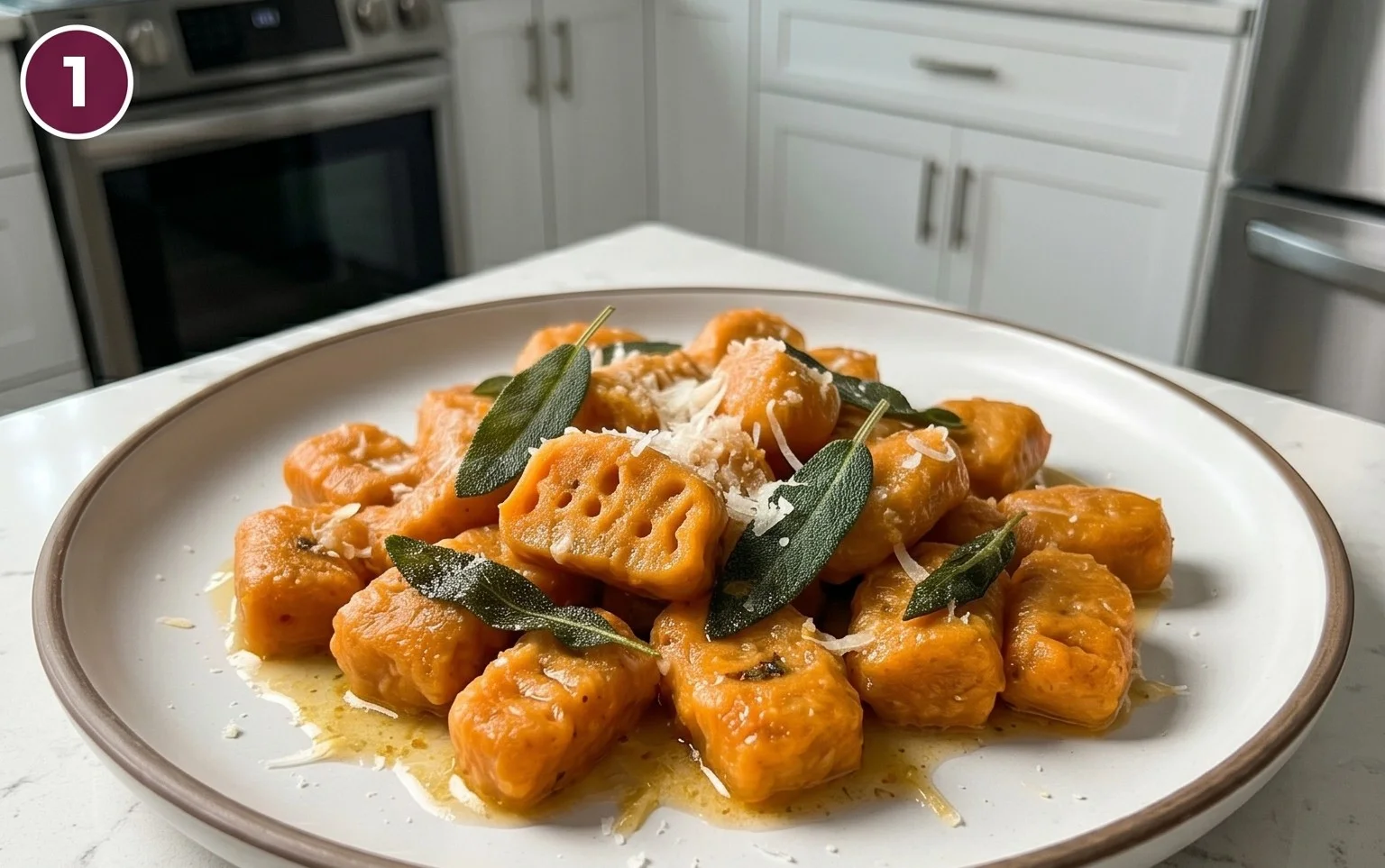
Sweet Potato Gnocchi
There’s something incredibly comforting about a warm bowl of homemade gnocchi. Often, gnocchi is associated with potato, but I’ve found that sweet potato offers a delightful twist – a subtle sweetness that pairs beautifully with both savory and slightly sweeter sauces. Making gnocchi from scratch might seem daunting, but it’s a surprisingly simple and rewarding process. Plus, the vibrant orange hue of sweet potato gnocchi is just stunning! Get ready to impress yourself and your loved ones with this flavorful, pillowy goodness.
Ingredients:
Making the Sweet Potato Puree
The first step is to prepare our sweet potatoes. You want to cook them until they are very tender. My preferred method is to bake them. This concentrates their flavor and removes excess moisture, which is crucial for good gnocchi. Prick the sweet potatoes all over with a fork, place them on a baking sheet, and bake in a preheated oven at 200°C (400°F) for about 45-60 minutes, or until they are easily pierced with a knife. Alternatively, you can peel and cube them, then boil or steam until fork-tender, but be very careful to drain them extremely well. Once cooked, let them cool slightly until they are safe to handle.
Cut the cooled sweet potatoes in half lengthwise and scoop out the soft flesh into a bowl. Discard the skins. You want to aim for a smooth puree. You can use a potato masher for this, or for an extra-smooth texture, pass it through a potato ricer or a fine-mesh sieve. It’s important to get rid of any lumps and fibers. If your sweet potatoes were particularly moist, you might notice some liquid. You can gently press this out by placing the puree in a clean kitchen towel and squeezing. Aim for about 2 cups (approximately 450-500g) of sweet potato puree.
Forming the Gnocchi Dough
Now comes the magic of transforming this vibrant puree into gnocchi dough. In a large mixing bowl, combine the sweet potato puree with the 180g of plain white flour. If you’re using a gluten-free flour blend, ensure it’s one that’s designed for baking and has a good binding quality. Add the pinch of salt at this stage if you’re using it.
Gently start mixing the flour into the sweet potato puree. You can use a fork or a spatula at first. As the dough comes together, it will become stickier. At this point, you’ll want to switch to using your hands. Be careful not to overwork the dough. The key to light and tender gnocchi is to handle the dough as little as possible. Overworking it develops the gluten too much, resulting in tough, dense gnocchi. You’re looking for a soft, slightly sticky dough that just comes together. It shouldn’t be so sticky that it’s unmanageable, but it also shouldn’t be dry and crum extractbly. If it feels too wet, add a tablespoon of flour at a time. If it feels too dry, you might have overcooked your sweet potatoes and it’s difficult to rectify, but a tiny splash of water can sometimes help, though this is risky.
Shaping the Gnocchi
Once your dough has reached the right consistency, turn it out onto a lightly floured surface. Gently knead it just a few times to bring it together into a cohesive ball. Divide the dough into 3 or 4 equal portions. Take one portion and gently roll it into a long rope, about 1.5-2 cm (about ¾ inch) in diameter. Use a knife or a bench scraper to cut the rope into small pieces, about 2 cm (about ¾ inch) long.
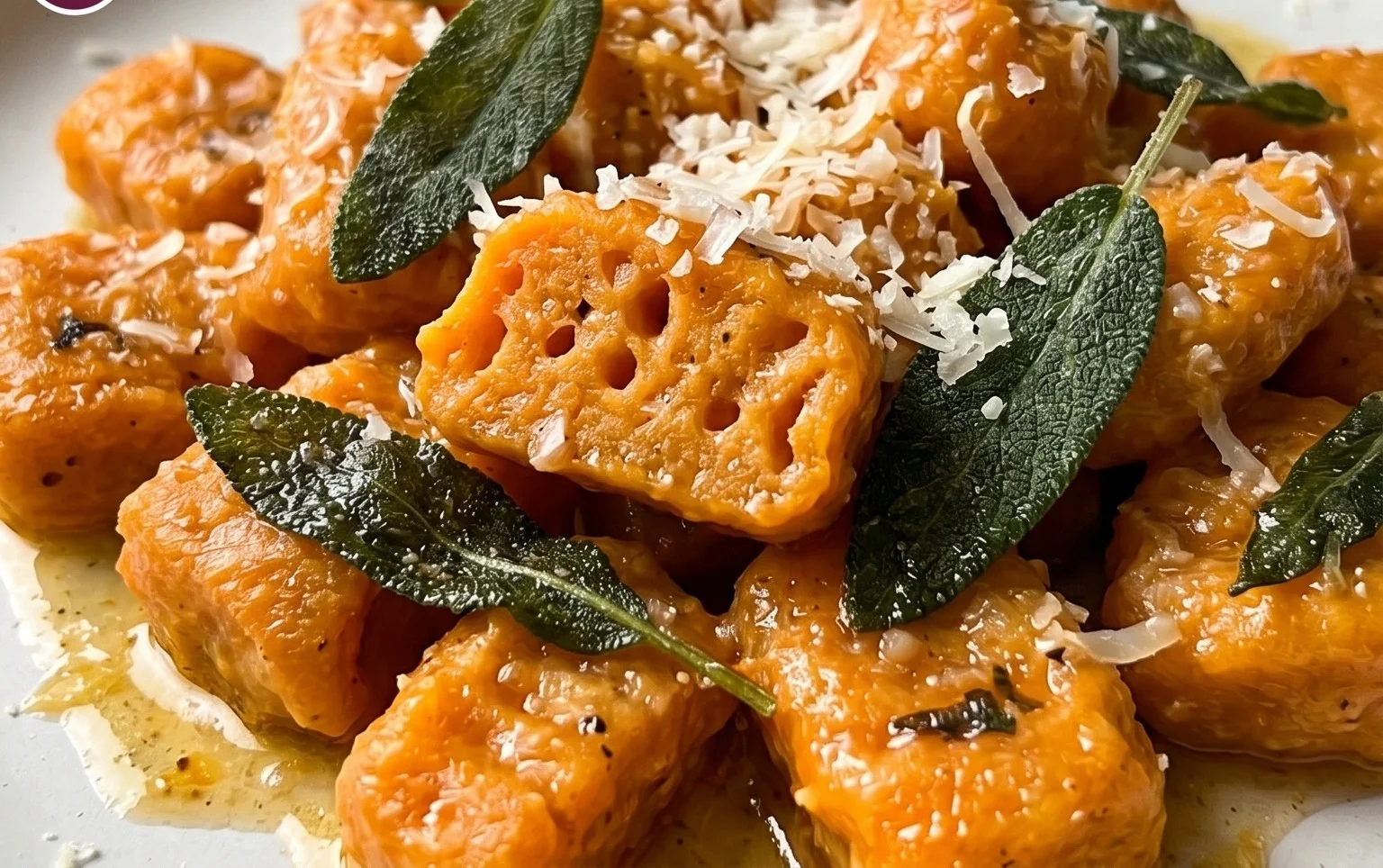
Now you can shape your gnocchi. While you can leave them as little pillows, the traditional method involves creating ridges. Take each piece of gnocchi and gently press it with your thumb on one side, then roll it down the tines of a fork. This creates grooves that will help hold the sauce. Alternatively, you can just press them with a fork to make a criss-cross pattern. Place the shaped gnocchi on a lightly floured baking sheet or a clean kitchen towel, ensuring they don’t touch each other, as they can stick. Repeat with the remaining dough portions.
Cooking the Gnocchi
It’s time to bring these little orange gems to life! You’ll need a large pot of generously salted boiling water. Don’t be shy with the salt; it seasons the gnocchi from the inside out. Carefully drop the gnocchi into the boiling water in batches. Don’t overcrowd the pot, as this can cause them to cook unevenly and stick together.
The gnocchi are ready when they float to the surface. This usually takes about 2-4 minutes. Once they float, let them bob around for another 30 seconds to a minute to ensure they are cooked through. Using a slotted spoon or a spider strainer, gently lift the cooked gnocchi out of the water and transfer them directly into your prepared sauce. If you’re not serving them immediately, you can drain them and toss them with a little olive oil to prevent sticking, and then pan-fry them until golden for a lovely crispy texture.
Serving Your Sweet Potato Gnocchi
The beauty of sweet potato gnocchi is its versatility. They are fantastic with classic sage butter sauce, a rich tomato sauce, or even a creamy Gorgonzola sauce. For a touch of sweetness, a light brown butter sauce with toasted walnuts or pecans is also divine. I love to finish mine with a sprinkle of grated Parmesan cheese and a few fresh sage leaves. The slightly sweet, earthy flavor of the gnocchi will complement a wide range of flavors, making this a truly adaptable dish. Enjoy the fruits of your labor – a delicious and satisfying homemade meal!
Conclusion:
I hope you’re feeling inspired to whip up a batch of these delightful sweet potato gnocchi! This recipe is truly a winner because it transforms humble sweet potatoes into pillowy soft, slightly sweet dumplings that are incredibly satisfying and versatile. The vibrant color alone is a joy, and the subtle sweetness pairs beautifully with a wide array of sauces. Whether you’re looking for a comforting weeknight meal or an impressive dish to share, these sweet potato gnocchi are sure to be a hit.
For serving suggestions, think classic: a sage brown butter sauce is an absolute dream, letting the natural sweetness of the potato shine. Alternatively, a creamy gorgonzola sauce provides a lovely contrast, or a simple marinara sauce offers a bright, fresh option. Don’t be afraid to experiment! Consider adding a sprinkle of toasted nuts for crunch, some crum extractbled feta for a salty kick, or even some fresh herbs like parsley or chives for an extra burst of flavor.
I genuinely encourage you to give this recipe a try. It might seem a little daunting at first, but the process is quite rewarding, and the results are absolutely worth it. So, roll up your sleeves, embrace the process, and enjoy creating these fantastic sweet potato gnocchi!
Frequently Asked Questions about Sweet Potato Gnocchi:
Q: My gnocchi seem a bit sticky when I’m rolling them. What can I do?
A: A little bit of flour on your work surface and your hands is your best friend! Don’t be tempted to add too much flour to the dough itself, as this can make the gnocchi tough. If they’re persistently sticky, a light dusting of semolina flour can also help prevent sticking.
Q: Can I make the sweet potato gnocchi ahead of time?
A: Absolutely! Once you’ve shaped the gnocchi, you can freeze them on a baking sheet until solid, then transfer them to a freezer-safe bag. They’ll cook directly from frozen, just add a minute or two to the boiling time. You can also refrigerate them for a day or two before cooking.
Sweet Potato Gnocchi
Delicious and tender sweet potato gnocchi, a comforting and versatile dish perfect for any meal. Easily adaptable for gluten-free diets.
Ingredients
-
2 Sweet Potatoes ((680-700g))
-
180g Plain white flour + more for dusting ((Roughly 1 ½ cups) I use gluten-free)
-
Pinch Salt ((optional))
-
2 tablespoons Olive oil
-
1 tablespoon Fresh sage, chopped
-
2 tablespoons Butter
Instructions
-
Step 1
Preheat oven to 400°F (200°C). Pierce sweet potatoes several times with a fork and bake until very tender, about 45-60 minutes. -
Step 2
Once cool enough to handle, slice sweet potatoes in half and scoop out the flesh into a bowl. Mash thoroughly until smooth. Measure out 1 cup of mashed sweet potato. -
Step 3
Add the measured sweet potato mash, 180g of plain white flour, and a pinch of salt (if using) to a clean bowl. Mix until a soft dough forms. Add more flour a tablespoon at a time if too sticky. -
Step 4
Turn the dough out onto a lightly floured surface and knead gently for 1-2 minutes until just combined. Do not overwork. Divide the dough into 4 portions. -
Step 5
Roll each portion into a long rope about ¾ inch thick. Cut into 1-inch pieces. You can leave them as is or roll each piece over the tines of a fork for ridges. -
Step 6
Bring a large pot of salted water to a boil. Gently drop gnocchi into the boiling water. Cook until they float to the surface, about 2-3 minutes. Remove with a slotted spoon. -
Step 7
In a skillet, melt the butter over medium heat. Add the olive oil and chopped sage. Cook for 1-2 minutes until fragrant. Add the cooked gnocchi and gently toss to coat. Serve immediately.
Important Information
Nutrition Facts (Per Serving)
It is important to consider this information as approximate and not to use it as definitive health advice.
Allergy Information
Please check ingredients for potential allergens and consult a health professional if in doubt.