Easy Chimichurri Sauce Recipe – Fresh & Flavorful
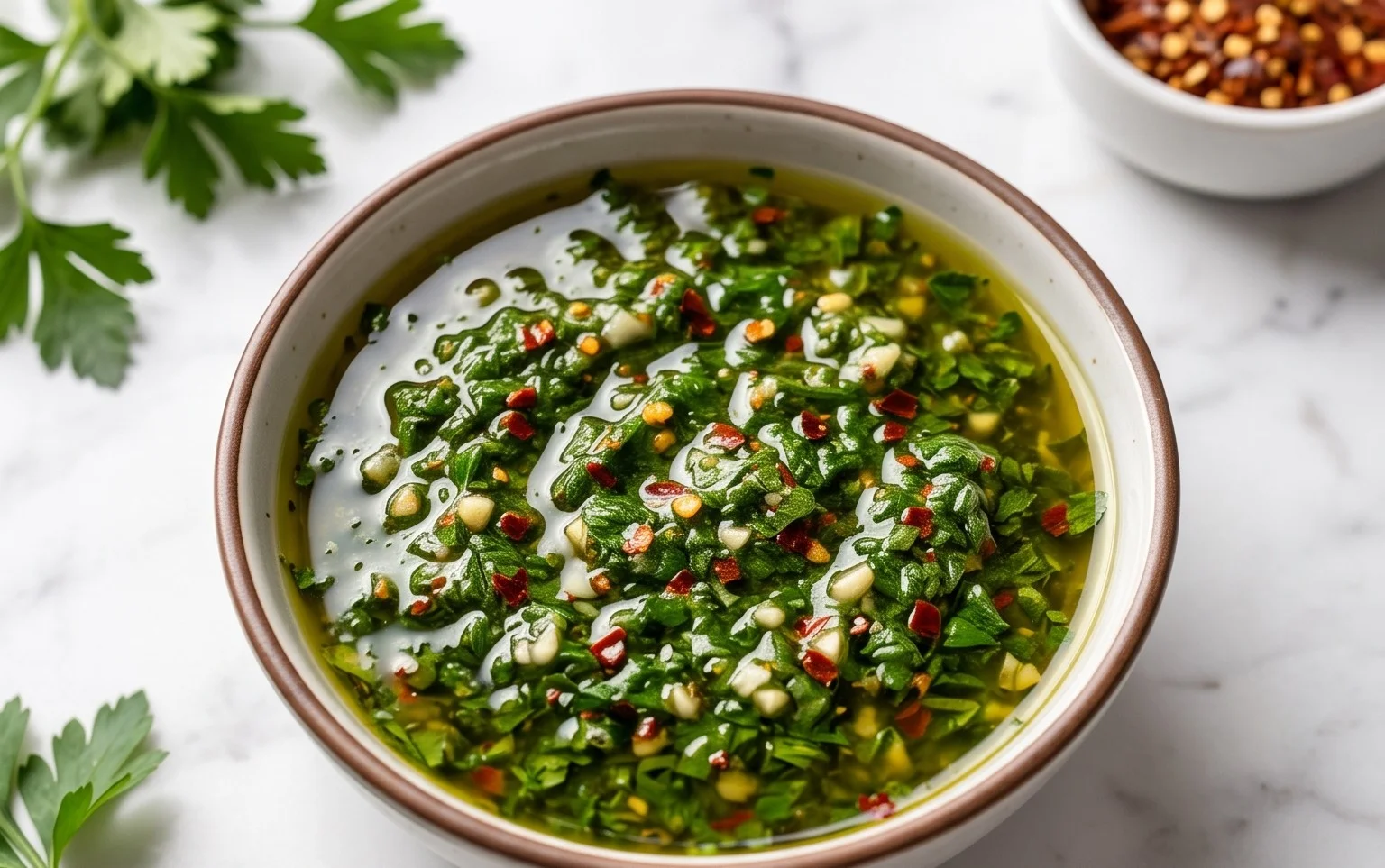
Chimichurri sauce recipe perfection is within your reach! This vibrant, herbaceous Argentinian condiment is more than just a sauce; it’s an explosion of fresh flavors that can transform any dish. If you’ve ever savored grilled meats at a South American barbecue or enjoyed a perfectly seared steak, chances are you’ve encountered the magic of chimichurri. Its irresistible zest, a harmonious blend of parsley, oregano, garlic, vinegar, and olive oil, cuts through richness and adds a bright, herbaceous punch that keeps you coming back for more.
What makes this chimichurri sauce recipe so special? It’s the simplicity and the quality of the ingredients. No fancy techniques, just pure, unadulterated flavor. It’s the perfect accompaniment to grilled steaks, chicken, fish, vegetables, and even as a dipping sauce for bread. Get ready to unlock a world of delicious possibilities with this incredibly versatile chimichurri sauce!
Chimichurri Sauce Recipe
There are few sauces that can instantly elevate a grilled steak, roasted chicken, or even a simple plate of roasted vegetables quite like chimichurri. This vibrant, herbaceous Argentinian condiment is a flavor explosion waiting to happen, offering a delightful balance of fresh herbs, pungent garlic, a touch of heat, and a bright, tangy finish. It’s incredibly versatile and surprisingly easy to make at home. Forget store-bought; once you taste this fresh, homemade version, you’ll never go back. It’s the perfect accompaniment for everything from a juicy ribeye to grilled fish or even as a zesty marinade. Let’s dive into how to create this culinary masterpiece.
Ingredients:
Crafting Your Chimichurri: Step-by-Step Instructions
Making chimichurri is a straightforward process that primarily involves chopping and combining. The key to its incredible flavor lies in the freshness of the ingredients and the proper balance of textures and tastes.
1. Prepare Your Herbs: This is the foundational step for any great chimichurri. Take your bunches of fresh Italian flat-leaf parsley, cilantro, and oregano. The most crucial part here is to meticulously remove all the stems. Stems can be woody and impart a bitter flavor, which is something we want to avoid in our bright, fresh sauce. You want only the tender leaves. Once stripped, give them a good rinse under cool water and then thoroughly pat them dry with paper towels or use a salad spinner. Excess moisture can dilute the flavors and affect the consistency of your sauce, so ensure they are as dry as possible. Chop these prepared herb leaves very finely. The goal is to get them to a texture where they are still discernible as distinct herbs, but small enough to meld beautifully with the other ingredients.
2. Chop the Aromatics and Add Heat: Next, we turn our attention to the flavor boosters. Take your 1/3 cup of roughly chopped red onion or shallots. If you’re using red onion, aim for a fine chop to ensure it disperses evenly throughout the sauce. Shallots offer a slightly milder, sweeter onion flavor, which can also be delightful. Then, mince your 3 peeled garlic cloves. The finer you mince the garlic, the more its pungent flavor will infuse into the oil and vinegar. Be generous with the garlic; it’s a cornerstone of chimichurri’s robust taste. Finally, add your 1/2 teaspoon of red pepper flakes. This is where you can adjust the heat to your preference. For a milder sauce, start with a scant 1/4 teaspoon and add more if desired. For those who love a kick, the full 1/2 teaspoon will provide a pleasant warmth without overwhelming the other flavors. Combine these finely chopped onion/shallots, minced garlic, and red pepper flakes in a medium bowl.
3. Emulsify the Liquid Base: Now it’s time to bring together the wet ingredients that will form the luscious base of our chimichurri. To the bowl with the chopped aromatics, add your 1/2 cup of high-quality extra-virgin extract olive oil. The quality of your olive oil is paramount here, as its flavor will shine through. Follow this with the 1/4 cup of red grape juice vinegar. While white grape juice vinegar is also commonly used, red grape juice vinegar adds a subtle sweetness and a beautiful ruby hue that is characteristic of traditional chimichurri. Lastly, squeeze in the juice of 3 tablespoons of fresh lemon. Fresh lemon juice is essential for its bright acidity; it cuts through the richness of the olive oil and balances the other flavors. Whisk these ingredients together vigorously. You want to start creating a slight emulsion, ensuring the oil and vinegar begin extract to combine rather than separate entirely.
4. Combine and Season: With your herbs chopped and your liquid base ready, it’s time to bring everything together. Gently add your finely chopped fresh herbs to the bowl containing the olive oil, vinegar, lemon juice, onion, garlic, and red pepper flakes. Now, add the 1 teaspoon of kosher salt. Kosher salt has a clean, pure flavor and is less dense than table salt, making it easier to distribute evenly. If you prefer a finer grain salt, you might want to reduce the amount slightly and adjust to taste. Using a spoon, carefully fold and stir all the ingredients together. Ensure that the herbs and aromatics are thoroughly coated with the oil and vinegar mixture. Take your time here to distribute everything evenly. This is not a vigorous mixing; it’s more about gently incorporating all the fresh components into the dressing.
5. Rest and Marinate for Optimal Flavor: This step is often overlooked, but it’s crucial for developing the full depth of flavor in your chimichurri. Once everything is combined, cover the bowl tightly with plastic wrap or transfer the sauce to an airtight container. Place the chimichurri in the refrigerator and let it rest for at least 30 minutes before serving. Ideally, letting it sit for a couple of hours, or even overnight, will allow the flavors to meld and deepen significantly. The garlic and onion will infuse their pungent notes into the oil and vinegar, while the herbs will soften slightly and release their aromatic oils. This resting period transforms a good sauce into an exceptional one. Before serving, give it another good stir. You might notice a slight separation of the oil; this is normal and can be easily remedied by stirring. Taste and adjust seasoning if needed – perhaps a touch more salt, a squeeze more lemon juice, or a pinch more red pepper flakes.
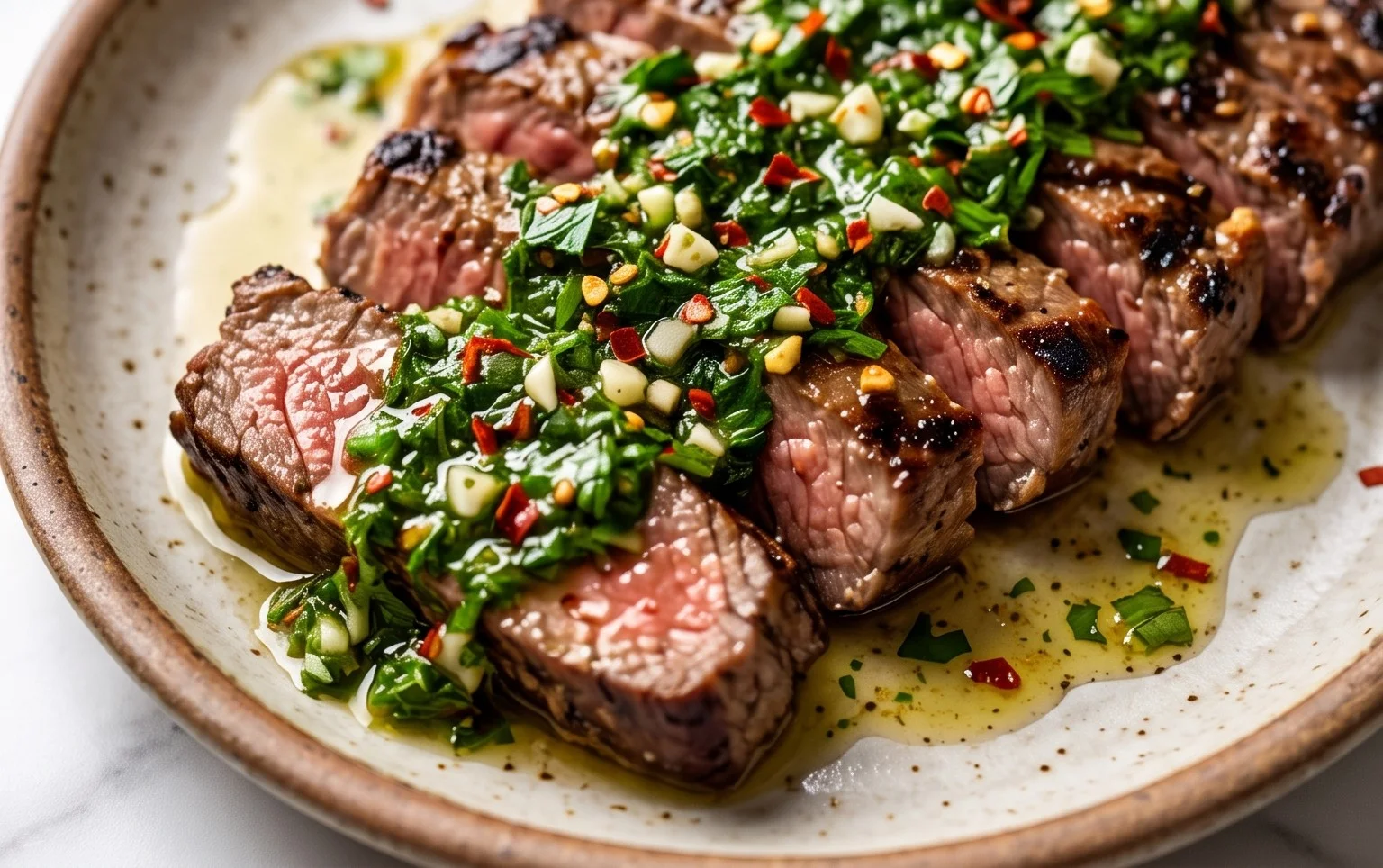
This chimichurri sauce is incredibly versatile. Drizzle it over grilled steak or chicken, toss it with roasted vegetables, spoon it over grilled fish, or even use it as a flavorful spread on sandwiches and burgers. It’s a taste of Argentinian sunshine in a jar!
Conclusion:
There you have it! This versatile chimichurri sauce recipe is an absolute game-changer for elevating your culinary creations. Its vibrant, herbaceous flavor profile, boasting fresh parsley, tangy vinegar, and a hint of spicy chili, is incredibly easy to whip up and incredibly rewarding. I love how a simple batch of this chimichurri can instantly transform grilled meats, roasted vegetables, or even serve as a delightful dip. Don’t be afraid to experiment with it on everything from steak and chicken to fish and even crusty bread! The possibilities are truly endless.
I encourage you to give this chimichurri sauce recipe a try. It’s a fantastic way to add a burst of freshness and zest to your meals without much effort. Think of it as your secret weapon for impressing guests or simply making an everyday dinner feel special. Once you taste how delicious it is, you’ll be reaching for this recipe time and time again!
Frequently Asked Questions:
Can I make chimichurri sauce ahead of time?
Absolutely! Chimichurri sauce actually benefits from sitting for at least 30 minutes to an hour (or even overnight) in the refrigerator. This allows the flavors to meld together beautifully. It will stay fresh in an airtight container in the fridge for up to a week.
What are some good variations for chimichurri sauce?
You can definitely customize this chimichurri! For a spicier kick, add more chili flakes or even a finely minced jalapeño. For a richer flavor, some people like to add a tablespoon of Dijon mustard. You can also swap out some of the parsley for cilantro for a different herbaceous note.
What’s the best way to store leftover chimichurri sauce?
The best way to store any leftover chimichurri sauce is in an airtight container in the refrigerator. A mason jar or a small glass container with a tight-fitting lid works perfectly. Make sure to give it a good stir before using it again, as the oil might separate slightly.
Chimichurri Sauce Recipe
A vibrant and herbaceous Argentinian sauce perfect for grilled meats.
Ingredients
-
1 cup fresh Italian flat-leaf parsley, leaves only, stems removed
-
1/4 cup fresh cilantro, leaves only, stems removed
-
1/4 cup fresh oregano, leaves only, stems removed
-
1/3 cup roughly chopped red onion
-
3 cloves garlic, peeled
-
1/2 teaspoon red pepper flakes
-
1/2 cup extra-virgin olive oil
-
1/4 cup red grape juice vinegar
-
3 tablespoons fresh lemon juice
-
1 teaspoon kosher salt
Instructions
-
Step 1
Finely chop the parsley, cilantro, and oregano. Place in a medium bowl. -
Step 2
Add the chopped red onion and minced garlic to the bowl. -
Step 3
Stir in the red pepper flakes. -
Step 4
In a separate small bowl, whisk together the extra-virgin olive oil, red grape juice vinegar, and fresh lemon juice. -
Step 5
Pour the olive oil mixture over the herb and onion mixture. Add the kosher salt. -
Step 6
Stir well to combine. Let sit for at least 15 minutes to allow flavors to meld before serving.
Important Information
Nutrition Facts (Per Serving)
It is important to consider this information as approximate and not to use it as definitive health advice.
Allergy Information
Please check ingredients for potential allergens and consult a health professional if in doubt.