Easy French Macaron Recipe – Perfect Treats Every Time
The French Macaron Recipe is more than just a confection; it’s a delicate dance of precision and patience, a whispered promise of pure bliss. For so many of us, the allure of the French macaron lies in its exquisite duality: the crisp, barely-there shell giving way to a luxuriously soft, chewy interior, all culminating in a burst of vibrant flavor. These tiny, jewel-toned delights have captured hearts and palates worldwide, gracing elegant dessert tables and inspiring countless kitchen adventures. What makes them so special? It’s their sophisticated charm, their almost ethereal texture, and the sheer artistry involved in crafting a perfect French macaron. Embarking on a French macaron recipe journey might seem daunting, but trust me, the reward of biting into your own perfectly formed creation is immeasurable. Get ready to unlock the secrets to this iconic treat!
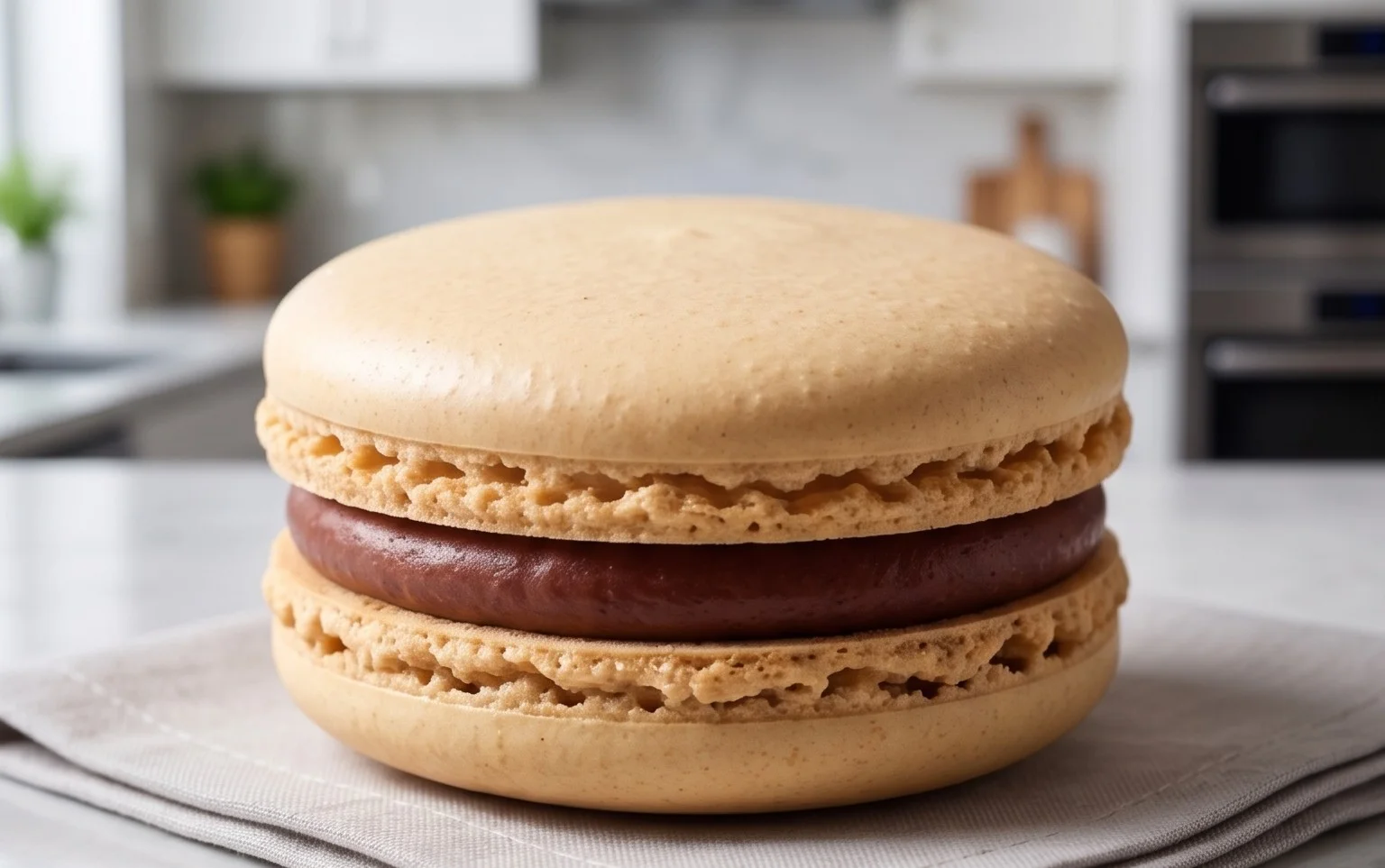
French Macaron Recipe
Welcome, fellow bakers, to the delightful world of French macarons! These delicate, airy, and utterly charming cookies are a true testament to the art of patisserie. While they might seem intimidating, with a little patience and attention to detail, you can master the creation of these exquisite treats right in your own kitchen. The secret lies in understanding the process and using the right ingredients. So, let’s embark on this sweet adventure together!
Ingredients:
Macaron Shell Preparation:
The foundation of a perfect macaron lies in its shell. We’ll start by preparing our dry ingredients and then move on to the meringue, which is the heart of the macaron’s airy texture.
Preparing the Dry Ingredients
The first crucial step is to accurately measure and prepare your dry ingredients. Take your 150 grams of super-fine almond flour. It’s essential that this is truly super-fine. If your almond flour is a bit coarser, you can pulse it briefly in a food processor, being careful not to over-process it into almond butter. Then, sift the almond flour along with the 180 grams of powdered sugar and 1/4 teaspoon of salt. Sifting is absolutely non-negotiable for macarons. It removes any lumps and aerates the mixture, which is vital for a smooth, crack-free shell. If you don’t have a fine-mesh sieve, a regular sieve will do, but you might need to sift multiple times. You can also use a whisk to break up any small clumps before sieving. Once sifted, set this mixture aside.
Making the Italian Meringue
This recipe utilizes the Italian meringue method, which is often considered more stable and forgiving than the French meringue method for macarons. In a clean, dry saucepan, combine the 60 grams of granulated sugar with 30 ml of water. Place this over medium heat and stir gently until the sugar dissolves. Once the sugar has dissolved, stop stirring. You’ll want to use a candy thermometer to monitor the temperature. Meanwhile, in a large, impeccably clean bowl of your stand mixer (or a very sturdy hand mixer), add your 120 grams of room-temperature egg whites. As the sugar syrup heats up, you’ll notice it starts to bubble. Once the syrup reaches 110 degrees Celsius (230 degrees Fahrenheit), start whipping your egg whites on medium speed. They will begin extract to become foamy. Continue to heat the sugar syrup until it reaches 118 degrees Celsius (244 degrees Fahrenheit). This is the crucial stage where the syrup is hot enough to cook the egg whites and create a stable meringue.
Combining Meringue and Dry Ingredients
Once the sugar syrup reaches 118 degrees Celsius, carefully and slowly pour the hot syrup in a thin, steady stream down the side of the mixer bowl, while the mixer is still running on medium-high speed. Be extremely careful here, as the syrup is very hot. Try to avoid pouring the syrup directly onto the whisk attachment, as this can cause it to splatter. Continue to beat the meringue on high speed until the bowl feels cool to the touch, which usually takes about 8-10 minutes. The meringue should be stiff and glossy, holding its shape when you lift the whisk. At this point, add the 4 drops of liquid-gel food coloring and the 1 teaspoon of pure vanilla extract to the meringue and mix until the color is evenly distributed. The liquid-gel food coloring is preferred as it adds minimal moisture to the batter.
The Macaronage Process
This is arguably the most critical and delicate stage: the macaronage. It’s the process of folding the dry ingredients into the meringue. Add about one-third of your sifted dry ingredients to the meringue. Gently fold them in using a spatula, using a motion that scrapes the sides and bottom of the bowl and then folds the batter over itself. Continue this process, adding the remaining dry ingredients in two more additions. You’re looking for a batter that flows like lava – thick enough to hold its shape briefly but will slowly spread and level out. To test for the right consistency, lift your spatula; the batter should fall off in a thick ribbon that slowly melts back into the rest of the batter. If the batter is too stiff, it will form pointy peaks. If it’s too thin, it will be too runny and spread too much, resulting in flat, spread-out shells. You can test this by drawing a figure-eight with the batter. If you can draw a continuous figure-eight without the batter breaking, it’s usually a good sign. This stage requires practice, so don’t be discouraged if your first attempt isn’t perfect.
Piping and Resting
Now it’s time to pipe your macaron shells! Transfer the batter to a piping bag fitted with a round tip (about 1/2 inch). Prepare baking sheets by lining them with parchment paper or silicone baking mats. Draw circles on the parchment paper beforehand as guides, if you’re a begin extractner. Hold the piping bag vertically and pipe small, uniform rounds onto the prepared baking sheets, leaving about an inch between each macaron. Once you’ve piped a sheet, firmly tap the baking sheet on your countertop several times. This helps to release any trapped air bubbles and encourages the macarons to spread evenly, which is crucial for those characteristic “feet.” After tapping, let the piped macarons rest at room temperature for at least 30 minutes, or until a skin forms on the surface. You should be able to gently touch the surface without the batter sticking to your finger. This resting period is essential for developing the feet during baking.
Baking and Assembly
Baking the Macaron Shells
Preheat your oven to 150 degrees Celsius (300 degrees Fahrenheit). Bake one sheet of macarons at a time for approximately 12-15 minutes. The macarons are done when they have developed “feet” and the shells are firm to the touch and don’t wiggle when you gently nudge them. They should lift easily off the parchment paper. If they stick, they need a little more time. Baking time can vary greatly depending on your oven, so keep a close eye on them. Once baked, remove the baking sheet from the oven and let the macarons cool completely on the baking sheet before attempting to remove them. This cooling process is vital; trying to remove them while warm will likely result in broken shells.
Filling and Maturing
Once your macaron shells are completely cooled, it’s time for the best part: filling! Carefully peel the cooled shells off the parchment paper. Pair up shells of similar size. Generously pipe your chosen filling, such as the Vanilla Buttercream Frosting, onto the flat side of one shell, and then gently sandwich it with another shell. The key to a perfect macaron is the “maturing” process. Place the filled macarons in an airtight container in the refrigerator for at least 24 hours, and up to 48 hours. This allows the flavors to meld and the moisture from the filling to soften the shells slightly, creating that signature chewy texture.
Enjoy your homemade French macarons! They are a labor of love, but the reward of biting into these delicate, flavorful creations is truly unparalleled.
Conclusion:
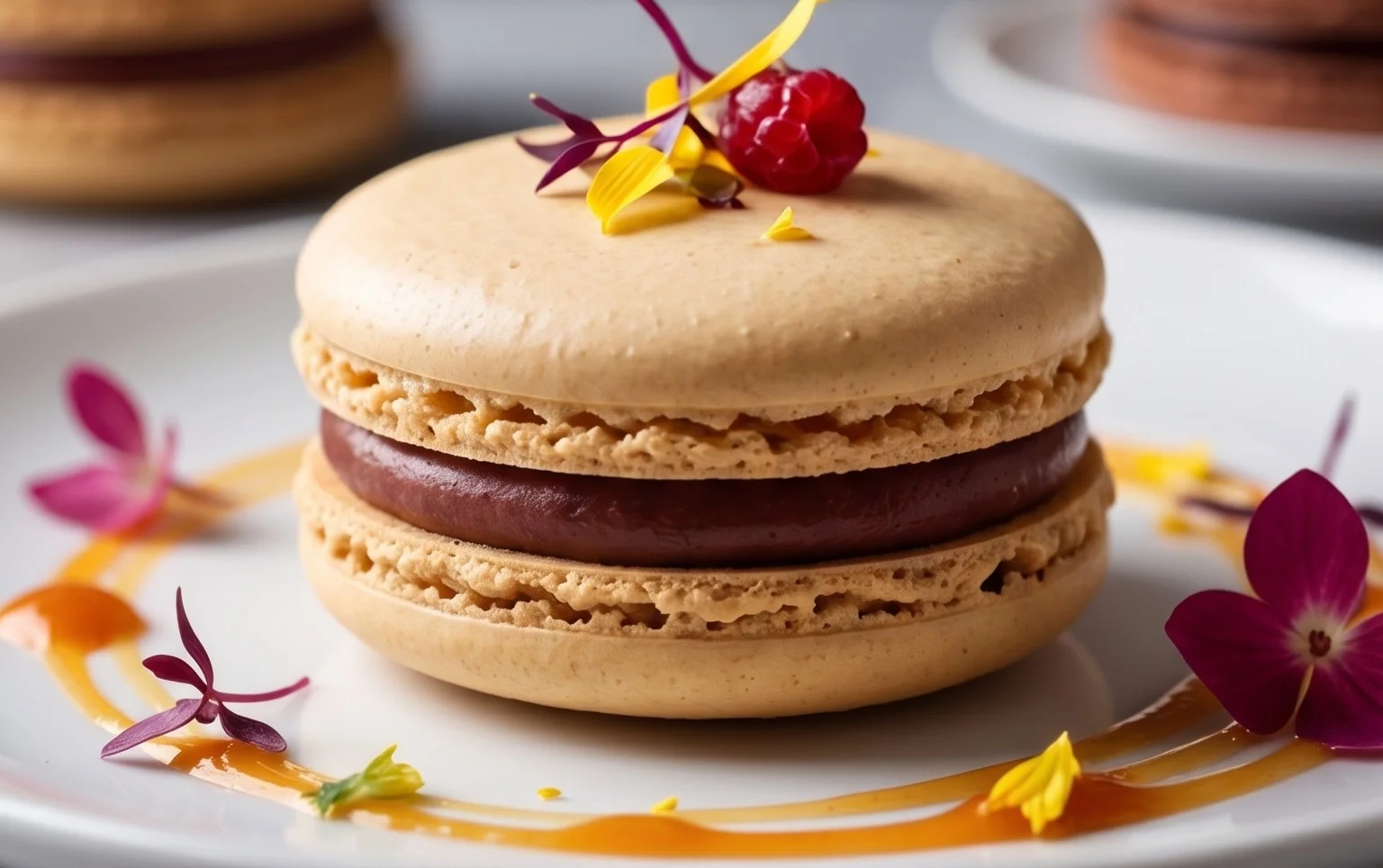
Congratulations on mastering the art of the French Macaron! This recipe is truly wonderful because it breaks down the seemingly complex process into manageable steps, empowering you to create these delicate, airy, and utterly delicious cookies right in your own kitchen. The satisfaction of biting into a perfectly baked macaron, with its crisp shell and chewy interior, is unparalleled. Don’t be discouraged if your first batch isn’t flawless; practice is key, and each attempt will bring you closer to macaron perfection. These little jewels are incredibly versatile. Serve them as an elegant dessert at a dinner party, a charming addition to a tea spread, or simply as a delightful afternoon treat with a cup of coffee or tea. For exciting variations, consider infusing your ganache or buttercream filling with different extracts like rosewater or lavender, or adding a touch of cocoa powder to the macaron shells themselves for a chocolatey twist. I truly encourage you to give this French Macaron recipe a try. The joy of creating and sharing these exquisite confections is a reward in itself!
Frequently Asked Questions about French Macarons:
Why are my macaron shells cracking?
Cracking often occurs due to overmixing the batter, oven temperature being too high, or not letting the shells rest long enough to form a skin before baking. Ensure you fold the meringue gently and let them sit undisturbed until they feel dry to the touch.
How can I achieve those beautiful ‘feet’ on my macarons?
The ‘feet’ are the ruffled edges at the bottom of the macaron. They are typically a result of a well-made batter that’s been properly rested. A consistent oven temperature is also crucial. If your oven runs too hot, the shell will cook too quickly before the internal steam can push it upwards to form the feet.
Can I make macaron shells ahead of time?
Yes! Once baked and completely cooled, macaron shells can be stored in an airtight container at room temperature for a day or two, or refrigerated for up to a week. For longer storage, freeze them in a single layer in an airtight container for up to a month. Ensure they are fully thawed before filling.
French Macaron Recipe
A classic recipe for delicate and airy French macarons with a smooth filling. This recipe guides you through creating the perfect macaron shells, ensuring a delightful texture and appearance.
Ingredients
-
150 grams sifted super-fine almond flour
-
180 grams powdered sugar
-
1/4 teaspoon salt
-
120 grams large egg whites (at room temperature)
-
60 grams granulated sugar
-
4 drops liquid-gel food coloring
-
1 teaspoon pure vanilla extract
-
Vanilla Buttercream Frosting (or your choice of filling)
Instructions
-
Step 1
Prepare your dry ingredients: Sift the almond flour and powdered sugar together into a bowl. Whisk to combine and remove any large lumps. Set aside. -
Step 2
Make the meringue: In a clean, dry bowl of a stand mixer, whisk the egg whites and salt until frothy. Gradually add the granulated sugar, a tablespoon at a time, while whisking continuously on medium-high speed. Continue whisking until stiff, glossy peaks form and the sugar is completely dissolved. -
Step 3
Add color and flavor: Add the food coloring and vanilla extract to the meringue. Gently fold them in until the color is uniform and no streaks remain. Be careful not to overmix. -
Step 4
Macaronage: Gradually add the sifted almond flour and powdered sugar mixture to the meringue in two or three additions. Gently fold the dry ingredients into the meringue using a spatula. Continue folding until the batter reaches a ‘lava-like’ consistency – it should flow slowly and continuously from the spatula, forming a ribbon that slowly melts back into the rest of the batter. -
Step 5
Pipe the macarons: Transfer the batter to a piping bag fitted with a round tip. Pipe small, uniform circles onto baking sheets lined with parchment paper or silicone baking mats. Leave about an inch of space between each macaron. -
Step 6
Rest and bake: Tap the baking sheets firmly on the counter several times to release any air bubbles. Let the piped macarons rest at room temperature for 30-60 minutes, or until a dry skin forms on the surface. Preheat your oven to 300°F (150°C). Bake for 12-15 minutes, or until the macarons have developed ‘feet’ and are firm to the touch. -
Step 7
Cool and fill: Let the macarons cool completely on the baking sheets before carefully removing them. Pair up similarly sized macaron shells and fill them with your choice of frosting or filling.
Important Information
Nutrition Facts (Per Serving)
It is important to consider this information as approximate and not to use it as definitive health advice.
Allergy Information
Please check ingredients for potential allergens and consult a health professional if in doubt.